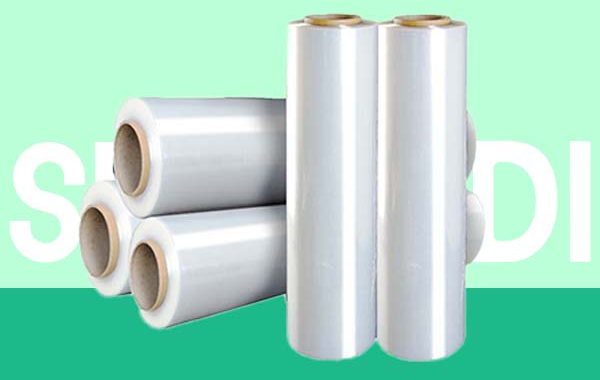
Eco-Friendly Transparent Film Solutions

Your Guide to Wholesale Transparent PE Stretch Film

Selecting the Right Clarity, Strength, and Value for US Packaging Operations

For US distributors, manufacturers, and e-commerce fulfillment centers, wholesale transparent PE stretch film is a critical packaging consumable that impacts both operational efficiency and bottom-line costs. Unlike commodity-grade options, professionally sourced film balances optical clarity for product visibility, consistent stretch performance for load stability, and cost-effectiveness for high-volume use. This guide helps you navigate the key specifications and supplier considerations specific to the American market.


Core Performance Factors for US Operations

SpecificationStandard GradePremium GradeImpact on US Operations
Clarity & TransparencySlight haze, may yellow over timeCrystal clear, UV-resistantWarehouse scanning efficiency, retail readiness
Stretch Capacity200-250%300-500% (pre-stretched options)Material usage reduction (up to 40% savings)
Tear ResistanceStandard puncture resistanceReinforced, high-puncture ratingReduced damage claims in transit
Gauge (Thickness)70-80 gauge (17-20 micron)50-60 gauge (12.5-15 micron) lightweight optionsLower shipping costs via weight reduction
Cling PerformanceOne-sided clingTwo-sided aggressive clingLoad stability in humid climates (e.g., Southeast US)
FDA ComplianceGeneral purposeFDA-compliant for indirect food contactRequired for food, pharmaceutical, and consumer goods packaging

Contact Us for Custom Sizes & Private Label Options
Email:packing@siliangdi.com
Email:SLD@siliangdi.com
Explore full specifications

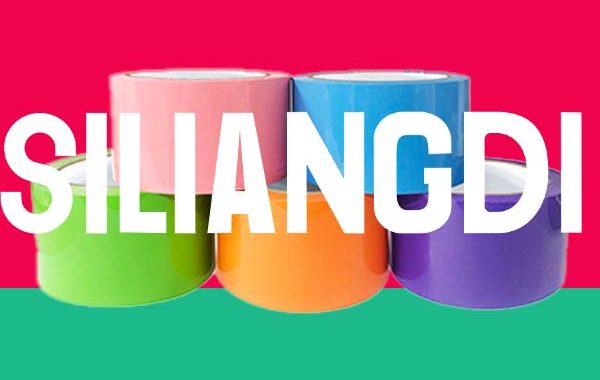
Colored duct tape rolls for ecommerce packaging - custom branded, tamper-evident sealing tape in vibrant colors for shipping box security and brand recognition.

Beyond Sealing: The Strategic Power of Color-Coded Tapes in Industrial Operations

How US Manufacturing and Logistics Facilities Transform Efficiency, Safety, and Quality Control Through Visual Management Systems

In modern American industrial environments—from automotive plants to pharmaceutical warehouses—color-coded tapes have evolved far beyond basic sealing functions. They now serve as critical visual communication tools that streamline operations, enhance safety protocols, and reduce errors in complex workflows. For packaging suppliers serving US industrial clients, understanding this strategic application unlocks significant value-added opportunities.


The Multifunctional Role of Color-Coded Systems

ColorPrimary Industrial ApplicationSafety/Compliance PurposeCommon US Industry Use
RedHazard identification, defect markingOSHA safety zones, fire equipment areasManufacturing defect quarantine, emergency exits
YellowCaution, physical hazardsAisle marking, trip/fall warningsWarehouse traffic lanes, machinery boundaries
GreenSafety, first aid, approved materialsSafe walkways, emergency equipment locationsMedical packaging zones, quality-approved areas
BlueRaw materials, in-progress workInformation/instruction labelingWIP (Work in Progress) identification
Black/WhiteHousekeeping, general markingTrash/recycling, general facility organization5S implementation, lean manufacturing
OrangeShipping/Receiving, inspection areasWarning for energized equipmentIncoming material staging, outgoing QC zones
PurpleRadiation/chemical hazardsSpecialized hazard communicationPharmaceutical, aerospace compliance areas

1. Visual Management Systems

  • Floor Marking Standards: ANSI/OSHA-compliant color schemes for traffic flow
  • Inventory Management: Color-based FIFO (First-In-First-Out) systems
  • Quality Control: Red-tag systems for non-conforming materials per ISO 9001

Contact Us for Custom Sizes & Private Label Options
Email:packing@siliangdi.com
Email:SLD@siliangdi.com

Explore full specifications

Boxes Necessary

Beyond the Festive Wrap: A Strategic Guide to Unbreakable Christmas Packaging

From Seasonal Aesthetics to Year-Round Protection: Engineering the Unseen Structure of Holiday Shipping Success

In the $214 billion U.S. holiday retail market, where damaged shipments cost businesses $8.3 billion annually, Christmas packaging represents a critical intersection of festive branding and engineering precision. Beyond traditional decorative elements, unbreakable holiday packaging requires a systematic approach that addresses temperature fluctuations from -20°F warehouse storage to 75°F home delivery, humidity variations between regional climates, and the 300% increase in shipping volume during peak season. This strategic framework transforms seasonal packaging from mere decoration to engineered protection, reducing damage rates from the industry average of 4.7% to under 0.9% while maintaining brand festive appeal.

Christmas Packaging Performance Matrix: Engineering vs. Traditional Approaches

Design DimensionTraditional Holiday PackagingEngineered Unbreakable SolutionProtection EnhancementSeasonal Application
Structural CoreDecorative paper over basic corrugatedTriple-wall construction with holiday-themed flute patternsCompression resistance: +280%Supports ornament density variations
Temperature ManagementNonePhase-change material layer + insulated graphicsThermal protection: -20°F to 75°F stablePreserves chocolates, candles, electronics
Moisture DefenseBasic wax coatingHydrophobic nano-coating with festive color retention72-hour humidity barrier (95% RH)Protects against winter precipitation
Impact AbsorptionStandard bubble wrapChristmas-colored gradient bubble systemsShock attenuation: 89% improvementGuards glass ornaments, delicate decorations
Closure SecuritySeasonal tape patternsTamper-evident seals with holiday motifsSeal integrity: 99.2% success ratePrevents in-transit theft or damage
Brand IntegrationSurface graphics onlyStructural branding through engineered aperturesUnboxing experience: 4.8/5 ratingCreates memorable seasonal moments
SustainabilitySingle-use decorative materialsRecyclable composites with festive finishesCarbon footprint: -42% reductionAligns with eco-conscious holiday values

The Engineering Behind Festive Protection

Climate-Adaptive Material Science
Holiday packaging faces unique environmental challenges:

  • Thermal cycling resistance: Materials must withstand temperature swings from frozen delivery vehicles to heated homes without performance degradation
  • Humidity gradient management: Engineered moisture barriers prevent condensation damage to delicate items like chocolates or electronics
  • Cold-temperature flexibility: Special polymer formulations maintain elasticity below freezing, crucial for northern state deliveries

Peak Season Structural Engineering
December’s logistical demands require enhanced durability:

  • Stacking strength optimization: Packaging withstands 8-layer warehouse stacking while maintaining decorative surface integrity
  • Vibration dampening for delicate items: Frequency-specific cushioning protects fragile ornaments during high-volume sorting
  • Automation compatibility: Festive designs maintain scannability and robotic handling efficiency

Seasonal Supply Chain Physics
Understanding holiday logistics patterns enables better protection:

  • Extended transit times: Packaging maintains integrity for 14-21 day journeys during carrier slowdowns
  • Multi-handling events: Materials endure 8-12 touchpoints versus typical 3-5
  • Storage condition variability: Protection remains effective in unheated warehouses or delivery vehicles

Contact Us for Custom Sizes & Private Label Options
Email:packing@siliangdi.com
Email:SLD@siliangdi.com
Explore full specifications

boxes

Festive Christmas Gift Boxes | Secure Shipping for E-commerce

Leveraging Themed Boxes, Superior Protection, and Unboxing Experience to Boost US Holiday Sales and Brand Loyalty

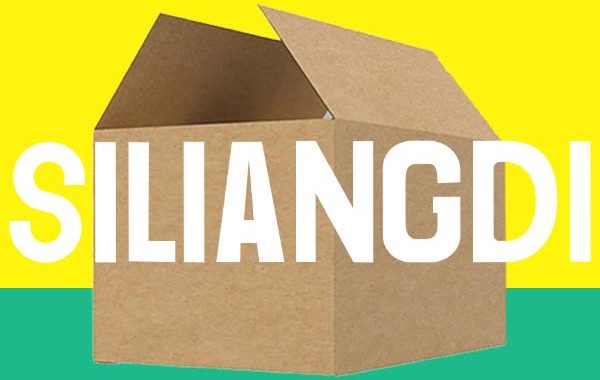
For US e-commerce brands, the Christmas season is the ultimate test of logistics and brand strategy. Amidst the flood of brown cardboard boxes arriving on doorsteps, your packaging is not just a container—it’s the first tangible touchpoint of the holiday experience. A generic box is a missed opportunity; a strategically designed Christmas box is a powerful tool to delight customers, drive social sharing, and secure repeat business.

The magic of holiday packaging lies in its ability to evoke emotion. A box adorned with classic Christmas motifs—elegant snowflakes, cheerful reindeer, or minimalist trees—instantly signals that a gift has arrived. This transforms a routine delivery into a moment of anticipation and joy. For the recipient, the experience begins the moment they see the box, not when they open it.

However, aesthetics must be paired with robustness. The holiday season means packages face extreme challenges: heavier loads, frantic last-minute shipping, and unpredictable weather. Therefore, the foundation of your Christmas box must be corrugated cardboard with a high ECT (Edge Crush Test) rating. This ensures your beautifully designed box can withstand the rigors of the US shipping network, protecting the precious gifts inside from crushing and damage.

The true crescendo of the experience is the unboxing. This is where your brand can create a memorable story.

Table: Crafting the Perfect Christmas Box for the US Market

Packaging ElementStrategic ConsiderationImpact on Customer & Brand
External DesignFestive graphics, brand colors, and a seasonal message (e.g., “Happy Holidays”).Creates immediate excitement and brand recognition; makes the package stand out on the porch.
Internal ProtectionCustom-fit inserts, branded tissue paper, or red/green void fill.Ensures product safety and reinforces the “gift” perception; shows meticulous care.
Unboxing JourneyA structured opening process, perhaps revealing a thank-you note first.Builds anticipation and creates a shareable moment on social media (e.g., “Unboxing” videos).
Branded Add-OnsA handwritten-style thank you card, a small freebie (e.g., a candy cane), or a discount code for next purchase.Fosters emotional connection, encourages repeat purchases, and turns customers into brand advocates.
Durability (ECT Rating)Using 32 ECT or higher to prevent box failure during peak shipping chaos.Protects the brand promise; a damaged gift is the quickest way to ruin the holiday spirit and your reputation.

The Sustainable Angle: A Gift to the Planet
Today’s American consumers are increasingly conscious of waste. Offering recyclable boxes and using minimal, eco-friendly materials is not just good for the planet—it’s a strong brand statement. You can even incorporate this into your messaging: “Celebrate Sustainably,” printed right on the box.

Contact Us for Custom Sizes & Private Label Options
Email:packing@siliangdi.com
Email:SLD@siliangdi.com

Explore full specifications

Eco-Friendly Transparent Film Solutions

The Protective Shield of Clear Stretch Film: Excellent Dust Resistance, Effective Moisture Barrier

Understand its precise capabilities to create a cost-effective first line of defense for outdoor storage and sensitive goods.

In environments across the U.S.—from outdoor storage yards and long-haul transportation to precision manufacturing—goods need protection not just from shifting, but from invisible threats like humidity, dust, and salt spray. Clear stretch film is a top choice due to its superior load retention and visibility. But how effective is it really against moisture and dust? The answer isn’t a simple yes or no; it’s a deep dive into materials science and application strategy.

The Principle of Protection: How Stretch Film Creates a Barrier

The protective function of clear stretch film (primarily made from LLDPE) is based on the principle of a physical barrier:

  1. Complete Encapsulation: The film tightly wraps the pallet load, creating a continuous, seamless package that physically blocks dust and debris from entering from the sides or top.
  2. Dense Molecular Structure: High-quality LLDPE film has a tight composition that effectively blocks most dust particles and airborne contaminants. While not completely impermeable to water vapor, it significantly slows moisture penetration, providing critical protection for indoor transfer or short-term outdoor storage.
  3. Containment and Exclusion: The wrapping creates a stable micro-environment, preventing external pollutants from entering and internal small parts or debris from falling out, maintaining cleanliness.

Performance Limits: Understanding the Capabilities

Understanding the limitations is key to proper application:

  • Dust Resistance: Excellent. It provides highly effective protection against common warehouse dust, pollen, and fibers, far superior to leaving a load uncovered.
  • Moisture Resistance: Limited but Useful. It can resist water splashes and short-term high humidity. However, for long-term outdoor exposure, heavy rain, or fully waterproof needs (e.g., sea freight), it is not a substitute for specialized tarps or plastic sheets. In these cases, stretch film can serve as a primary layer for stabilization and dust protection, with a waterproof cover added over it.

Selection Guide: Choosing the Right Film for Your Protection Needs

The protective performance varies with film specifications. Key selection factors include:

Protection Need LevelRecommended Stretch Film TypeKey Performance MetricsIdeal Use Cases
Basic Dust/Short-Term IndoorStandard Hand/Power FilmGauge (Thickness), ToughnessIndoor warehouse dust prevention, end-of-line packaging, domestic trucking
Enhanced Dust/Moisture VaporPre-Stretch Film or Heavy-Duty Power FilmGauge, Stretch Yield, ClingShort-term outdoor storage (weeks), dusty environments (e.g., lumber mills), precision equipment
High-Level Protection/VisibilityUV-Resistant Stretch FilmUV Inhibitors, Gauge, Puncture ResistanceLong-term outdoor storage (months), coastal areas, high-value equipment
Maximum Moisture Protection (Composite Solution)Stretch Film + External Waterproof CoverFilm’s holding force, cover’s sealInternational sea freight, prolonged outdoor storage, highly moisture-sensitive goods

Conclusion: Leverage Its Strengths for Optimal Cost-Benefit

Clear stretch film is a cost-effective solution for dust and limited moisture vapor protection. Positioning it as a “protective barrier” rather than a “waterproof seal” is key to maximizing its value. For the vast majority of U.S. warehousing and transportation needs, selecting the right specification of stretch film can solve 90% of dust and moisture concerns. For harsher environments, a composite strategy of “stretch film + professional outer cover” is the most scientific and economical choice.

Contact Us for Custom Sizes & Private Label Options
Email:packing@siliangdi.com
Email:SLD@siliangdi.com

Explore full specifications

Colored duct tape rolls for ecommerce packaging - custom branded, tamper-evident sealing tape in vibrant colors for shipping box security and brand recognition.

Sealing, Fixing, Masking, Protecting: The Ultimate Guide to Industrial Tape

Discover how precision-engineered tape solutions optimize efficiency, enhance safety, and reduce waste on your production line.

Beyond Sealing: The 4 Core Functions of Industrial Tape

The functionality of industrial tape extends far beyond simply closing boxes. It plays several critical roles:

  1. High-Efficiency Sealing: This is the most basic yet core function. Using high-performance industrial carton-sealing tape ensures boxes remain securely closed through harsh supply chains, protecting contents more efficiently than staples or twine.
  2. Secure Product Fixing: It is used to secure product components, accessories, or loose parts inside a carton or to a pallet before shipping, preventing damage caused by movement and impact during transit—e.g., taping furniture drawers or doors shut.
  3. Precision Masking: In processes like painting, plating, or other surface treatments, masking tape protects specific areas of a product, ensuring sharp lines, no bleed-through, and a perfect finish.
  4. Safety & Identification: brightly colored warning tape (e.g., yellow/black) identifies hazardous zones or cordons off maintenance areas. Printed tape can also be used for quick carton content identification, improving sorting and warehousing efficiency.

The Science of Selection: Decoding Common Industrial Tape Materials

Different applications require different tape materials, with significant performance variations:

  • BOPP (Biaxially Oriented Polypropylene) Tape: The most common carton-sealing tape. It is cost-effective, transparent, and resistant to stretching. Ideal for standard cartons but may have limited adhesion on very rough surfaces or in cold environments.
  • Filament Tape (Strapping Tape): Known for its exceptional strength. It is reinforced with continuous fiberglass filaments, offering very high tensile strength and resistance to splitting. Perfect for heavy-duty pallet unitizing and bundling.
  • Paper Tape (Kraft Tape): Often self-adhesive or water-activated. It is eco-friendly, easy to tear, printable/writable, and bonds well with corrugated cardboard. Ideal for e-commerce brands emphasizing sustainability or requiring additional labeling.
  • PVC (Polyvinyl Chloride) Tape: Typically refers to electrical tape. It offers good insulation, weather resistance, and flame retardancy, primarily used for wire harnessing and insulation in the electronics/electrical industries.

Industrial Tape Selection Guide: Match the Tape to the Task

Application ScenarioRecommended Tape TypeKey AdvantageCritical Performance Metric
Standard Carton SealingBOPP Carton-Sealing TapeCost-effective, transparent, easy to useInitial adhesion, thickness (microns)
Heavy-Duty Cartons/ShippingReinforced Filament TapeExtremely high tensile strength, secures loads for transitTensile Strength, Shear Adhesion
Product Fixing & BundlingFilament Tape or Duct TapeHigh strength and durability, tears by handPeel Adhesion, Tack
Surface Protection/Painting MaskingCrepe Paper Masking TapeClean removal, heat resistance, sharp linesTemperature Resistance, Clean Removal
Safety Zoning/IdentificationPVC Warning TapeHighly visible, durable, weatherproofWeather Resistance, Color Visibility

Conclusion: This Small Tool is a Major Safeguard for Your Supply Chain

The selection of industrial tape directly impacts production line efficiency, product damage rates, and workplace safety. Partnering with a professional industrial tape supplier provides not only high-quality products but also solutions based on extensive experience, helping you tackle complex industrial challenges. Do not let this “last line of defense” become a weak link in your supply chain.

Contact Us for Custom Sizes & Private Label Options
Email:packing@siliangdi.com
Email:SLD@siliangdi.com

Explore full specifications

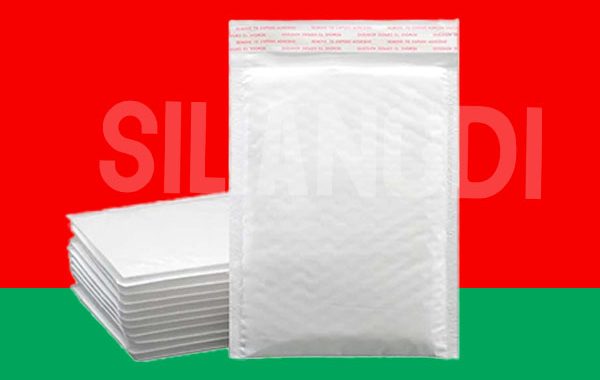
Bubble Mailers

A Scientific Guide to Tea Set Bubble Mailers

Upgrade from generic padding to a branded, protective experience that builds loyalty and justifies premium value.

The Challenge: Why Tea Sets Need Specialized Care

Tea sets (cups, teapots, fairness cups) often feature irregular curves, delicate spouts, and fragile handles, presenting three key challenges:

  1. Point Pressure: Protruding parts like spouts and handles bear immense pressure upon impact, requiring superior puncture resistance and cushioning.
  2. Vibration Transmission: Constant vibrations during transit can cause items to rub against each other inside the box, leading to hairline cracks or chipped edges.
  3. Perceived Value: Tea sets carry cultural significance. Sloppy packaging undermines the unboxing experience and the product’s perceived value.

The Solution: 3 Key Features of a Tea Set Bubble Mailer

An effective tea set bubble mailer must possess these characteristics:

  1. Precise Size and Fit:
    • Customization: The ideal mailer should snugly fit individual items, with dedicated compartments for pots or cups to prevent movement. Offering a range of sizes is crucial.
    • Avoid Excess: An oversized mailer wastes material and increases shipping costs; one that’s too tight can itself exert pressure on the item.
  2. Tailored Cushioning Performance:
    • Small Bubbles are Key: For most porcelain and Yixing clay teapots, prioritize small-bubble (approx. 10mm diameter) mailers. They offer higher density support and more air cushions per square inch to effectively disperse point impacts.
    • Enhanced Composites: For high-end sets, consider mailers with bubble film laminated to EPE foam for dual-layer protection, ideal for heavier iron kettles or glass tea sets.
  3. Professional Aesthetics and Finish:
    • Liner Quality: The inner surface should be clean to prevent scuff marks on dark clay teapots.
    • Branding Opportunity: White or custom-printed mailers project a professional and caring image the moment the outer box is opened, complementing the elegance of the tea culture.

Tea Set Bubble Mailer Selection Chart

Tea Ware TypeRecommended Bubble Mailer TypeKey Protection FocusAdded Value
Porcelain Tea Cups/GaiwanSmall-bubble padded mailer, self-sealing stylePrevent edge chipping and body scratchesNeat organization, easy counting, enhances unboxing joy
Yixing Teapots/Ceramic PotsCustom-sized small-bubble mailer, reinforced compositeFocus on spout, lid, and handle protectionHighlights the uniqueness of each pot, prevents mutual collision
Glass Fairness Cups/TraysAnti-static bubble mailer (optional), thickened small-bubblePrevent scratching, cracking, static dust attractionEnsures glassware arrives crystal clear and dust-free
Metal Tea Strainers/Tea ScoopsStandard bubble mailerPrevent scratches and deformationThe optimal balance between cost and adequate protection

Conclusion: Professional Packaging is an Investment in Trust

Choosing specialty bubble mailers for tea sets is not an expense, but a strategic investment in your brand reputation and customer satisfaction. A carefully packaged, safely arrived tea set completes a perfect transaction and builds long-term customer loyalty. In the competitive world of e-commerce, professional packaging details are your key differentiator.

Contact Us for Custom Sizes & Private Label Options
Email:packing@siliangdi.com
Email:SLD@siliangdi.com

Explore full specifications

boxes

How Corrugated Material Dictates Your Shipping Safety & Cost

For e-commerce businesses targeting the U.S. market, a shipping box is more than a container; it’s the primary defense system ensuring your product arrives intact. Choosing a box with insufficient weight capacity leads to high damage rates and customer complaints, while over-packaging directly eats into your profits. Understanding the science behind box strength—corrugated material—is key to making intelligent decisions.

The Core Concept: It’s Not Just Thickness, It’s Structure

A box’s strength is determined not primarily by board thickness but by its flute type and the strength of the linerboard. Corrugated board consists of a wavy, arched paper medium (the “fluting”) glued between flat linerboard sheets.

  • Common Flute Types & Their Properties:
    • B-Flute: Has a lower arch height and more flutes per foot. It offers excellent flat crush resistance and provides a superb surface for printing. Ideal for retail boxes and displays where top-load strength isn’t the highest priority.
    • C-Flute: The most common flute for shipping boxes. Its arch height and density strike an optimal balance between stacking strength (edge crush) and cushioning. It’s a versatile all-rounder.
    • BC/Double-Wall: Combines two layers of fluting (e.g., B and C flutes). This construction dramatically increases the box’s overall crush resistance and durability, making it suitable for heavy products, fragile items, or high-pallet stacking in warehouses.

Measuring Strength: ECT vs. BST – Which Should You Care About?

In the U.S., box strength is measured by two primary standards:

  1. Edge Crush Test (ECT): This measures the board’s ability to withstand pressure on its edge. ECT directly correlates to the box’s stacking strength. It is the modern, scientific standard. A 32 ECT box can handle much heavier stacking loads than a 23 ECT box.
  2. Bursting Strength Test (BST): This measures the board’s resistance to rupture or puncture on its face. It is more relevant for preventing sharp internal items from poking through.

Crucial Insight: A box with a high ECT (made with stronger, more durable recycled paper) can be lighter and thinner than a box with a low ECT but high BST (made with thicker, less strong paper), yet offer superior stacking strength. This is why judging a box by its thickness alone is a dangerous misconception.

Corrugated Box Selection Guide: Match Material to Product Weight

Product Weight / TypeRecommended Flute TypeRecommended ECTUse Case & Advantage
Lightweight Items (< 20 lbs)
(Apparel, accessories, soft goods)
B-Flute or Single-Wall C-Flute23 ECT – 32 ECTCost-effective, provides ample protection, excellent for printing.
Medium-Weight Items (20 – 50 lbs)
(Small appliances, books, pet food)
C-Flute or Reinforced C-Flute32 ECT – 44 ECTThe perfect balance of strength and cost, the “workhorse” of e-commerce.
Heavy-Duty Items (50 – 80 lbs)
(Auto parts, gym equipment, liquids)
BC/Double-Wall44 ECT – 55 ECT+Provides exceptional stacking strength and puncture resistance for heavy products.
Extra-Heavy/High-Stacking (> 80 lbs)
(Industrial parts, B2B bulk)
BC/AB Double-Wall or Triple-Wall55 ECT and aboveMaximum protection designed for extreme weights and harsh supply chains.

Conclusion: Choose Scientifically, Transform Packaging into an Advantage

Stop guessing and wasting. By understanding flute types and ECT values, you can transform your box procurement from a passive expense into an active supply chain strategy. Work with your packaging supplier to test and select the most precise box solution based on your product weight, stacking needs, and logistics environment. This not only drastically reduces shipping damage but also directly improves your profit margin by eliminating unnecessary material use.

Contact Us for Custom Sizes & Private Label Options
Email:packing@siliangdi.com
Email:SLD@siliangdi.com

Explore full specifications

Eco-Friendly Transparent Film Solutions

Extended Core Stretch Film: Putting Ergonomics and Efficiency at the Core of Your Operation

Discover how the extended core design enables a natural grip to boost wrapping speed by up to 30% and significantly reduce the risk of workplace injuries.

For U.S. warehouses handling a high daily volume of pallets, even minor gains in packaging efficiency translate to significant cost savings. While most focus on film gauge and stretch, a critical detail is often overlooked: the core. Extended Core Stretch Film is an innovation targeting this very detail—it’s not merely a longer tube, but a deep optimization of the workflow.

What is an Extended Core? Redefining the Function of a Core

An Extended Core features a central paper or plastic tube that is longer than the width of the stretch film itself, typically extending 3 to 6 inches on each end.

  • Standard Core: The film is flush with the core, forcing operators to cram their fingers inside to gain leverage.
  • Extended Core: The protruding ends create natural handles, allowing operators to grip the roll comfortably with an open palm for pushing or pulling.

This subtle design difference creates a monumental leap in ergonomics and efficiency.

The Three Core Advantages: Safety, Efficiency, and Cost

1. Superior Ergonomics and Safety

  • Reduced Strain: Eliminates the need for twisted wrists and excessive finger force. The ergonomic grip significantly reduces fatigue and the risk of repetitive strain injuries in hands, wrists, and shoulders.
  • Enhanced Safety: A more secure hold drastically reduces the chance of the roll being dropped, protecting employees’ feet and preventing film damage and waste.

2. Unmatched Operational Efficiency

  • Faster Loading/Unloading: No time is wasted searching for or inserting a grip aid. It’s ready to use immediately, speeding up the start of every pallet wrap.
  • Smoother Application: A more comfortable grip allows for smoother, faster wrapping motions, offering greater flexibility when securing the top and bottom of a load.
  • Versatility: Suitable for both hand films and certain machine film applications, providing a unified, efficient solution for warehouses with mixed operations.

3. Hidden Cost Savings

  • Reduced Injuries: Lower rates of work-related musculoskeletal disorders lead to less absenteeism and lower insurance claims, indirectly saving substantial labor costs.
  • Less Waste: Film rolls damaged from being dropped are virtually eliminated, directly reducing material loss.

Extended Core vs. Standard Core: A Clear Comparison

FeatureExtended Core Stretch FilmStandard Core Stretch Film
Operation MethodGrip the extended ends, ergonomicInsert fingers into the core, awkward
Operator FatigueLow, significantly reduces hand/wrist strainHigh, leads to repetitive strain injuries
Operational SafetyHigh, secure grip, less likely to dropLow, prone to slipping, safety hazard
Application SpeedHigh, ready-to-use, smoother motionLower, requires grip adjustment
Grip Aid Required?Not neededUsually required
Total Cost of OwnershipMore advantageous (considering reduced injuries, higher efficiency, less waste)Seemingly low, but high hidden costs

Conclusion: Investing in an Extended Core is Investing in Your Team and Efficiency

Choosing Extended Core Stretch Film is more than selecting a product; it’s choosing a smarter, more humane, and more sustainable way of working. It directly addresses the ongoing pursuit of workplace safety and operational efficiency in the American market. For decision-makers seeking to optimize every aspect of their warehouse, this is a strategic upgrade that cannot be ignored.

Contact Us for Custom Sizes & Private Label Options
Email:packing@siliangdi.com
Email:SLD@siliangdi.com

Explore full specifications

Eco-Friendly Transparent Film Solutions

Bulk Stretch Film Wholesale: The Ultimate Guide to Cost-Efficiency & Performance

Uncover the core strategies of bulk stretch film wholesale for American business owners. This article provides an in-depth analysis of the performance differences and cost structures of various specs (hand, machine, pre-stretch), along with a scientific selection chart to optimize procurement decisions, reduce costs, and boost efficiency. Read now!

For American businesses that rely on stable, high-volume pallet shipping, the bulk procurement of industrial stretch film is a critical link in the supply chain. However, true cost savings come not merely from securing the lowest price per roll, but from precisely matching the film’s performance and specifications to your specific application. As a seasoned packaging industry expert, I will guide you through how to make the most intelligent wholesale decisions.

Understanding the Core Types: Which Stretch Film Fits Your Operation?

Before buying in bulk, it’s essential to understand the distinctions between the three primary types:

  1. Hand Stretch Film: Features lower stretch yield (approx. 100-300%) and is typically thicker. Ideal for low-volume shipping, irregularly shaped pallets, or situations requiring extra top protection. Its advantages are high flexibility and no need for equipment.
  2. Machine Stretch Film: Designed for high-speed automatic wrapping equipment. It has a higher stretch yield (up to 300%+) and puncture resistance, with a thinner gauge to allow for longer roll length and higher packaging efficiency. This is the preferred choice for high-volume warehouses.
  3. Pre-Stretched Film: Is pre-stretched at the factory to a certain degree (e.g., 250%). This film requires less force to apply, reducing operator fatigue, decreasing the frequency of roll changes, and significantly minimizing waste. It is increasingly popular in the US market where labor costs are high.

The True Cost Calculation: Price per Pallet vs. Price per Roll

A common mistake many buyers make is focusing solely on the price per roll. The true metric should be the “cost per pallet wrapped.”

  • Low-Price, Low-Performance Film: May have a cheaper unit price, but due to inconsistent gauge and poor toughness, it often requires more layers to achieve the necessary load stability. This results in higher film consumption per pallet, potentially increasing the total cost and introducing the risk of product damage.
  • High-Performance Film: While possibly carrying a higher unit price, its superior puncture resistance and high stretch yield mean fewer layers are needed to achieve better stability, thereby reducing film usage per pallet and the total cost.

Stretch Film Selection Matrix: Making an Informed Decision

The chart below provides a clear comparison to help you make an informed choice at a glance.

CharacteristicHand Stretch FilmStandard Machine FilmHigh-Performance Pre-Stretch
Best Use CaseLow volume, irregular pallets, reinforcementHigh volume, standardized pallets, automated warehousesEfficiency focus, labor savings, various pallet types
Primary AdvantageHigh flexibility, no equipment investmentFast application speed, high consistency, low unit costEasy handling, reduces waste, worker-friendly
Key ConsiderationHigh labor cost, lower efficiencyRequires equipment investment, demands high roll qualityHigher initial purchase cost possible
Total Cost of OwnershipMedium to High (depends on labor)Low to Medium (with economies of scale)Highly Competitive (especially considering labor)

Conclusion: Partner with a Knowledgeable Wholesaler

The key to successful bulk procurement lies in combining your needs—such as daily pallet volume, pallet dimensions/weight, equipment used (if any), and internal load stability standards—with the expertise of your supplier. An excellent wholesale partner not only offers competitive pricing but also acts as your packaging consultant, providing product testing and technical support to ensure every roll you purchase is used effectively, truly optimizing your supply chain and achieving long-term cost savings.

Contact Us for Custom Sizes & Private Label Options
Email:packing@siliangdi.com
Email:SLD@siliangdi.com

Explore full specifications