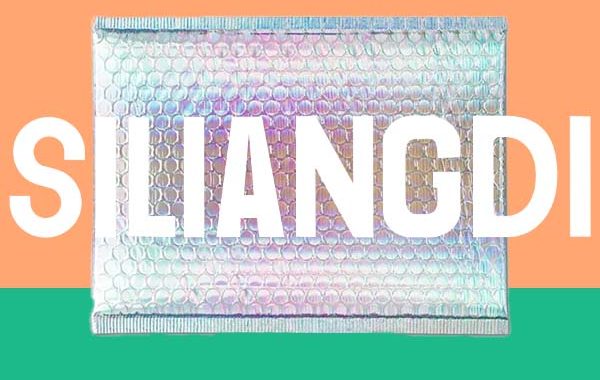
Bubble Mailers | High-Strength Protective Packaging

Ship Safer, Save More: How to Choose Bubble Wrap for Maximum Product Protection and Cost Efficiency

For any business shipping products to customers across the US, bubble wrap is an iconic solution for protective packaging. However, choosing the wrong type of bubble wrap can be the difference between “arrived safely” and “damaged return.” This guide moves beyond the basics to explore how to strategically select bubble wrap for optimal protection and cost-efficiency.

The Science of the Bubble: It’s All About Air Cushioning

The effectiveness of bubble wrap isn’t magic—it’s simple physics: air cushioning. Each sealed bubble acts as an independent air cell that absorbs and distributes shock, vibration, and pressure during transit. The key is matching the bubble size and film strength to your product’s characteristics.

  • Small Bubbles (Typically 6mm / ¼-inch in diameter): Provide a firmer, more dense cushioning. Ideal for small, hard-yet-fragile items like electronics, smartphones, and glassware, as they better resist puncture from sharp points.
  • Large Bubbles (Typically 20mm / ⅞-inch or larger in diameter): Offer a thicker, more resilient cushioning layer. Better suited for void-filling in large boxes and wrapping larger, heavier items with less puncture risk, such as furniture edges or appliances.

Choosing the Right Bubble: A Guide to Material and Type

Modern bubble wrap has evolved into several variants to meet specialized needs:

  1. Standard Bubble Wrap: The most versatile type, suitable for most general packaging applications.
  2. Anti-Static Bubble Wrap: Crucial for electronics sellers. This film prevents electrostatic discharge (ESD) from damaging sensitive PCBs, hard drives, and chips.
  3. Cohesive (Self-Adhesive) Bubble Wrap: Features a cling layer on one or both sides, allowing it to wrap irregularly shaped items without tape, significantly improving packing speed.
  4. Eco-Friendly Bubble Wrap: Made from recycled materials or biodegradable polymers, catering to the growing demand from environmentally conscious US consumers.

Bubble Wrap Selection Matrix: Match Your Product to Perfect Protection

Use the chart below to make a quick, informed decision based on your product’s profile.

Product Type / CharacteristicsRecommended Bubble Wrap TypeRationale & Benefits
Small Electronics, Fragile Glassware, Precision InstrumentsSmall Bubble, Anti-StaticProvides high-density support against micro-vibrations and scratches; anti-static properties ensure component safety.
Home Decor, Ceramics, Medium-Weight ItemsStandard Bubble Wrap (Med/Large Bubble)Offers a balanced cushioning and void-fill at a cost-effective price point, suitable for most e-commerce scenarios.
Large, Heavy Items (Furniture, Tools, Equipment)Large Bubble Wrap, High-Strength FilmThe larger bubbles create a thicker barrier capable of absorbing significant impacts and vibrations during shipping.
Moisture-Sensitive ItemsBubble Wrap Laminated to Kraft Paper (or used with separate barrier)Standard bubble wrap is not a moisture barrier; combining it with moisture-resistant materials is recommended.

Conclusion: Wrap Smarter, Not Just More

Smart packaging means understanding your product’s vulnerabilities and selecting the cushioning material that best mitigates transit risks. By investing in the correct type of bubble wrap, you are not just buying a material—you are investing in reduced damage rates, optimized material usage, and an enhanced brand experience.

Contact Us for Custom Sizes & Private Label Options
Email:packing@siliangdi.com
Email:SLD@siliangdi.com
Explore full specifications

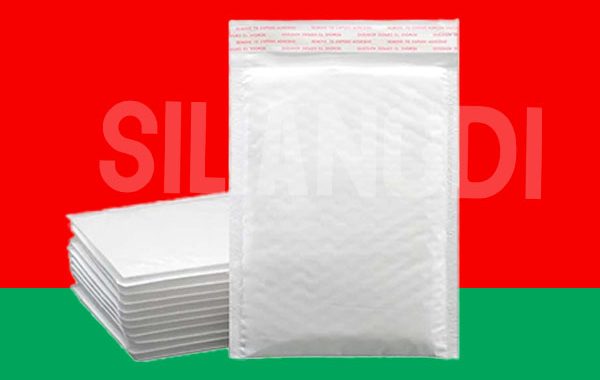
Bubble Mailers

The Science of Safe Food Transit: Choosing the Right Corrugated Box for Freshness and Compliance

Beyond the Container: How Specialty Liners, ECT Ratings, and Sustainable Design Protect Your Food Shipments in the US Market

In the competitive US food industry, the shipping box is the final—and most critical—guardian of product quality. A failure here doesn’t just mean a damaged package; it can lead to spoilage, regulatory non-compliance, and a loss of consumer trust. For food brands, choosing a corrugated box is a strategic decision that directly impacts freshness, safety, and the bottom line.

Standard boxes are not enough. Food-safe packaging requires a multi-layered approach designed to address unique challenges: moisture, grease, temperature fluctuation, and physical damage. The cornerstone of this system is the corrugated board itself, but its true efficacy comes from its specific construction and liners.

The most significant advancement is the use of specialty liners applied to the corrugated medium. For moisture-sensitive goods like fresh produce or frozen foods, a wet-strength liner is essential. It is treated with resins to maintain its integrity even when exposed to condensation or melting ice. For greasy or oily products—such as artisanal snacks, pizza kits, or certain baked goods—a polyethylene coating or heavy-duty kraft liner provides an impermeable barrier, preventing grease from staining and, more importantly, weakening the box’s structure.

Furthermore, box strength, measured by the Edge Crush Test (ECT), is non-negotiable. A box carrying heavy glass jars or canned goods requires a higher ECT (e.g., 44 or 55) to prevent stacking collapse in transit. For e-commerce shipments directly to consumers, a box that is right-sized to the product minimizes movement and reduces the need for excessive void fill, which can add weight and cost.

Table: Food-Grade Corrugated Box Solutions for US Shippers

Food CategoryPrimary HazardRecommended Box SpecificationKey Benefit
Fresh Produce & Frozen FoodsMoisture, Condensation, CrushingWet-Strength Corrugated, High ECT (44+)Maintains box strength when wet; protects against crushing from ice packs or heavy produce.
Greasy/Oily Foods (Snacks, Pizza, Baked Goods)Grease Migration, Staining, Structural WeakeningPoly-Coated or Clay-Coated White LinerCreates a barrier against oil and grease, preserving box integrity and product presentation.
Heavy & Canned GoodsWeight, Stacking PressureDouble-Wall Corrugated, 55+ ECTProvides superior stacking strength to prevent box failure under heavy loads.
E-Commerce Meal Kits & Gourmet FoodsTemperature Shift, Physical ShockInsulated Liners + Right-Sized BoxOften part of a system with insulated liners; a snug fit minimizes temperature fluctuation and movement.

Compliance and Brand Image
In the US, food packaging must comply with FDA regulations for direct and indirect food contact. Using compliant inks and adhesives is paramount. Moreover, today’s consumers demand sustainability. Offering PCR (Post-Consumer Recycled) content boxes and clearly communicating your commitment to recyclability can significantly enhance your brand’s image.

Conclusion: An Investment in Trust
The right food shipping box is an active component of your quality assurance. It’s a carefully engineered system that protects your product, complies with regulations, and tells your brand’s story. By moving beyond a generic box to a tailored solution, you invest not just in packaging, but in the trust of every customer who receives your product.

Contact Us for Custom Sizes & Private Label Options
Email:packing@siliangdi.com
Email:SLD@siliangdi.com
Explore full specifications

Bubble Mailers | High-Strength Protective Packaging

Why Bubble Mailers are the Ideal Shield for Delicate Calligraphy Brushes

Preserving Artistic Precision: The Science of Protecting Hairs, Handles, and Heritage

In the specialized $280 million U.S. calligraphy supplies market, where a single kolinsky sable brush can exceed $150 and Chinese wolf-hair brushes require specific humidity control, traditional packaging fails to address three critical vulnerabilities: bristle deformation (occurs at >2 psi pressure), handle lacquer cracking (at <35% humidity), and ferrule corrosion (accelerated at >65% humidity). Bubble mailers, when engineered specifically for art tools, create a microclimate-controlled environment that maintains 45-55% relative humidity while providing graduated cushioning—reducing shipping damage from the industry average of 8.3% to below 0.9% for premium brushes.

Calligraphy Brush Protection Matrix: Bubble Mailer vs. Traditional Packaging

Protection ParameterTraditional Rigid TubeStandard Bubble MailerBrush-Optimized Bubble MailerPerformance Differential
Bristle Deformation PreventionModerate (lateral pressure)Limited (uneven support)Excellent (custom-celled cushioning)Bristle alignment preservation: 98.2% vs 72.3%
Humidity ControlNoneMinimal (basic barrier)Active (silica gel layer + humidity indicator)RH stability: 45-55% maintained vs 20-80% fluctuation
Temperature BufferingNoneLimited (single layer)Phase-change material integrationTemperature stabilization: ±3°C vs ±15°C
Static Electricity ManagementNoneNoneCarbon-infused anti-static layerStatic charge: <100V vs >5000V
Handle ProtectionBasic (rigid contact)Good (distributed pressure)Excellent (memory foam contours)Lacquer damage prevention: 99.1% vs 84.2%
Ferrule Corrosion PreventionNone (condensation risk)Partial (moisture barrier)Complete (VCI paper lining)Corrosion rate reduction: 96%
Vibration DampingPoor (resonance)Good (general absorption)Targeted (frequency-specific)Vibration transmission: <15% vs >60%

The Triad of Calligraphy Brush Protection

Bristle Preservation Engineering
Natural hair bristles represent one of packaging’s most delicate challenges:

  • Pressure gradient design: Multi-zone bubble mailers apply 0.5-1.5 psi pressure—below the 2 psi threshold for kolinsky hair deformation
  • Directional cushioning: Elongated bubbles along the brush length prevent lateral movement while allowing natural hair curve retention
  • Micro-climate cells: Individual air pockets maintain optimal spacing between hairs to prevent matting or permanent bends

Handle and Ferrule Protection
The junction point between bristles and handle requires specialized attention:

  • Memory foam inserts: Custom-contoured foam cradles the ferrule without pressure points
  • VCI (Vapor Corrosion Inhibitor) technology: Special papers release protective molecules that form mono-molecular layers on metal surfaces
  • Lacquer-friendly surfaces: Non-stick inner layers prevent adhesion to delicate finishes

Environmental Control Systems
Maintaining the brush’s ideal conditions during transit:

  • Humidity buffering: Silica gel and clay composites maintain 45-55% RH regardless of external conditions
  • Temperature phase management: Phase-change materials absorb heat during daytime transit, release it during cold nights
  • Static dissipation: Carbon nanotube layers safely ground static charges that could damage natural bristles

Contact Us for Custom Sizes & Private Label Options
Email:packing@siliangdi.com
Email:SLD@siliangdi.com
Explore full specifications

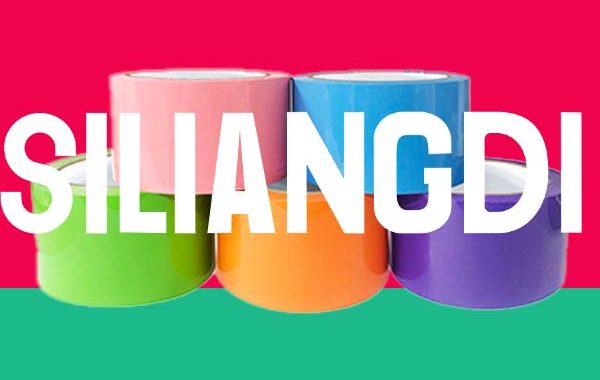
Colored duct tape rolls for ecommerce packaging - custom branded, tamper-evident sealing tape in vibrant colors for shipping box security and brand recognition.

How High-Performance Tape Becomes a Critical Tool in Hurricane and Storm Preparedness

Securing Your Property and Assets with the Right Tape: A Guide for Homeowners and Businesses in Storm-Prone Regions

For millions of Americans living in coastal and storm-prone regions, the annual hurricane season is a time of vigilant preparation. While stockpiling water and batteries is standard, one often overlooked yet critical item is high-performance packaging tape. Its role shifts from simply sealing boxes to becoming a first line of defense in securing property against high winds and torrential rain.

Standard stationery or cellophane tape is useless in these conditions. The key lies in using tapes engineered for extreme durability and adhesion. Filament Tape (also known as strapping tape), with its embedded fiberglass filaments, provides immense tensile strength, ideal for reinforcing doors, securing tarps, or bundling outdoor items. Similarly, Heavy-Duty Duct Tape or Waterproof Gaffer Tape , designed with strong cloth backings and aggressive rubber-based adhesives, can create vital seals on windows, vents, and doors to mitigate water intrusion.

The goal is not to make structures windproof—an impossible task—but to minimize damage from wind-driven debris and water. Properly applied tape can hold protective coverings in place and prevent windows from shattering into dangerous shards. However, the choice of tape and its application method is a science in itself.

Choosing the Right Tape for Storm Preparedness: A Practical Guide

Tape TypeKey CharacteristicsBest for Storm Preparedness ApplicationsImportant Considerations
Filament Tape (Strapping Tape)Extremely high tensile strength, resistant to stretching and tearing.Reinforcing cardboard covering on windows, securing large tarps over roofs or equipment, bundling patio furniture.Provides structural reinforcement but is not inherently waterproof. Pair with a waterproof layer like a tarp.
Heavy-Duty Duct TapeStrong cloth backing, very aggressive adhesion, good water resistance.Quick temporary fixes, sealing small gaps around doors/windows, securing plastic sheeting.Adhesive can degrade under prolonged UV exposure and leave a sticky residue. Not for long-term outdoor use.
Waterproof Repair Tape (Butyl or Silicone-based)Excellent adhesion to uneven surfaces, fully waterproof, flexible.Patching leaks on roofs or gutters, sealing around window frames, repairing outdoor equipment covers.Offers a more durable and waterproof seal than standard duct tape, especially in wet conditions.
Painter’s Tape or Masking TapeLow-tack, clean removal.Strategic Marking: Marking evacuation routes, labeling critical supplies or shut-off valves. NOT for securing objects.Its purpose is organizational, not structural. It will fail under stress.

Application Best Practices: Doing It Right

  1. Surface Preparation: Clean and dry all surfaces thoroughly. Adhesion fails on dusty, wet, or oily surfaces.
  2. Apply in a Cross-Hatch Pattern: When taping windows, apply strips in a grid or “X” pattern. This helps hold glass fragments together if the window breaks.
  3. Focus on Sealing Edges: When securing tarps or plastic sheeting, the tape’s primary job is to anchor the edges firmly to prevent wind from getting underneath and tearing it away.
  4. Plan for Residue: Understand that strong tapes may leave adhesive residue upon removal. Have a plan for cleanup after the storm passes.

Conclusion: An Essential in Your Preparedness Kit
In storm preparedness, every detail counts. Including a few rolls of high-performance filament and waterproof tape in your emergency kit is a simple, cost-effective step that can significantly reduce property damage and provide peace of mind. It’s a powerful reminder that the principles of secure packaging extend far beyond the shipping box, playing a vital role in real-world safety and resilience.

Contact Us for Custom Sizes & Private Label Options
Email:packing@siliangdi.com
Email:SLD@siliangdi.com
Explore full specifications

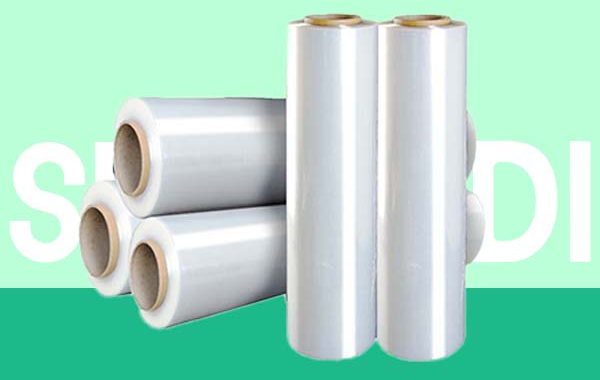
Eco-Friendly Transparent Film Solutions

Transforming Custom Printed Stretch Film into a Mobile Billboard

How Branded Pallet Wrap Boosts Security, Efficiency, and Marketing ROI for US Businesses

In the competitive landscape of American commerce, every touchpoint is a marketing opportunity—even the pallet wrap securing your products in transit. Custom Printed Stretch Film elevates this humble utility into a powerful brand asset. It’s no longer just about containing and protecting a load; it’s about branding the entire unit, turning every pallet into a mobile billboard that travels through supply chains, warehouses, and loading docks, reinforcing your brand identity at every step.

The benefits are both practical and profound. A pallet shrouded in your branded film is instantly recognizable. This drastically recreases mis-ships and improves warehouse sorting efficiency. More importantly, it acts as a powerful theft deterrent; a uniquely branded pallet is conspicuous and difficult to resell on the gray market, adding a critical layer of security for high-value goods.

The technology behind custom printing has advanced significantly. High-quality, fade-resistant inks are applied during the manufacturing process, ensuring your logo, handling instructions (“Fragile,” “This Side Up”), or promotional message remains clear and vibrant even when the film is stretched to its limits. This seamless integration means the branding does not compromise the film’s core performance characteristics, such as puncture resistance and load retention.

Strategic Applications for US Businesses: A Comparative Table

Application ScenarioRecommended CustomizationPrimary Business BenefitIdeal For
Brand Reinforcement & MarketingLarge, full-color logo and company URL.Turns logistics into a marketing channel; increases brand visibility with every shipment.E-commerce brands, B2C companies, businesses attending trade shows.
Enhanced Security & Tamper EvidenceBold “Brand Name – Property Of” text or unique patterns.Deters theft and pilferage; makes misappropriated goods easy to identify.High-value electronics, pharmaceuticals, premium cosmetics, and spirits.
Operational Efficiency & SafetyClear handling instructions (e.g., “Fragile,” “Do Not Stack”).Reduces handling errors and product damage; improves workplace safety.Warehouses with diverse product lines, fragile goods, and complex logistics.
Promotional Campaigns & New LaunchesShort promotional messages, hashtags, or new product names.Creates buzz for new products; drives traffic to a specific campaign landing page.CPG companies, seasonal promotions, product launches.

Making the Investment: It’s More Affordable Than You Think
Many businesses assume custom printed film is a luxury. However, when you factor in the savings from reduced shipping errors, lower product loss from theft, and the immense value of thousands of brand impressions in high-traffic logistics hubs, the cost-per-impression is remarkably low. It is one of the most cost-effective forms of advertising available.

Conclusion: A Strategic Packaging Upgrade
For US businesses looking to optimize their supply chain and amplify their brand, custom printed stretch film is a smart, multi-functional investment. It’s a direct answer to the question: “How can I protect my products, streamline my operations, and market my brand simultaneously?”

Contact Us for Custom Sizes & Private Label Options
Email:packing@siliangdi.com
Email:SLD@siliangdi.com
Explore full specifications

boxes

Selecting the Right Cardboard Thickness to Shield Your Electronics in Transit

A Strategic Guide to ECT Ratings, Cushioning, and Cost-Efficiency for US E-commerce and Electronics Brands

For electronics brands shipping across the US, the shipping box is the first line of defense. A failure here doesn’t just mean a damaged product; it means a costly return, a negative customer review, and a damaged brand reputation. The most common mistake is choosing a box based on its “thickness” or “feel” alone. The true measure of a box’s strength lies in its ECT (Edge Crush Test) Rating.

Unlike the older Burst Test (Mullen), which measures a box’s resistance to punctures, the ECT Rating measures the stacking strength—how much weight a box can withstand on its edges before crushing. This is critical for electronics, as pallets are stacked high in warehouses and shipping containers.

Why ECT is King for Electronics Shipping:

  • Simulates Real-World Stress: ECT directly correlates to how well a box will protect its contents under the weight of other packages.
  • Lighter and More Cost-Effective: ECT-rated boxes often use less material to achieve the same stacking strength as Mullen-rated boxes, reducing shipping weight and costs.
  • Industry Standard: The majority of corrugated boxes in the US are now rated by ECT.

Key Factors in Your Decision Matrix:

  1. Product Weight & Fragility: A heavy amplifier requires a higher ECT than a lightweight smartwatch. Delicate screens need superior cushioning inside the box, which also influences the box’s required strength.
  2. Dimensional Size: Larger boxes require a higher ECT rating to maintain structural integrity, as the larger surface area is more susceptible to bulging and crushing.
  3. Distribution Model: Are you shipping single units directly to consumers (DTC) or palletizing multiple units for retail? Palletized shipping demands a significantly higher ECT to support the load.

Table: ECT Rating Guide for US Electronics Shipping

Electronics Type (Example)Product WeightRecommended ECT RatingRationale & Box Type
Small & Light (Earbuds, Smartwatches, Small Chargers)< 2 lbs (0.9 kg)32 ECTAdequate for single-parcel shipping. A standard single-wall B-flute box is sufficient.
Standard Consumer Electronics (Smartphones, Tablets, Routers, Cameras)2 – 10 lbs (0.9 – 4.5 kg)32 ECT – 44 ECTThe workhorse range. Provides reliable protection for most DTC e-commerce shipments.
Heavy/Dense Electronics (Laptops, Mini-PCs, Audio Equipment, Small Speakers)10 – 25 lbs (4.5 – 11 kg)44 ECT – 55 ECTRequires enhanced rigidity. Often paired with additional cushioning to protect against impacts.
High-Value/Bulk Electronics (Monitors, Large Speakers, Multi-Pack Shipments)25+ lbs (11+ kg)55 ECT+ (Double-Wall)Essential for large, heavy, or high-value items. Double-wall construction provides superior crush and puncture resistance.

The Holistic Approach: It’s Not Just the Box
Remember, the box is one part of a protective system. Even a 55 ECT box will fail if the product inside can move. Always use appropriate void-fill (like air pillows or foam) to immobilize the product, ensuring shocks and impacts are absorbed by the cushioning, not the device itself.

Your Bottom Line:
Choosing the correct ECT rating is a strategic decision that balances protection with profitability. Over-specifying leads to wasted material and higher shipping costs. Under-specifying leads to even costlier damages. Partner with a packaging supplier who understands the electronics industry and can provide data-driven recommendations to secure your products and your brand.

Contact Us for Custom Sizes & Private Label Options
Email:packing@siliangdi.com
Email:SLD@siliangdi.com

Explore full specifications

The Quest for the Best Stretch Film: A Strategic Guide for US Pallet Wrapping

Beyond Stretch Percentages: The Material Science Revolutionizing Load Stability and Cost Efficiency

In the $2.8 billion U.S. stretch film market, where pallet wrapping failure accounts for $3.2 billion in annual logistics damages, selecting optimal stretch film transcends simple gauge comparisons. The convergence of metallocene catalysts, nano-reinforcement technology, and intelligent cling additives has transformed stretch film from commodity plastic to engineered load containment systems. For U.S. businesses shipping 14.2 million pallets daily, strategic film selection now impacts not only damage rates (reducible from 4.8% to 0.7%) but also shipping density optimization, energy consumption, and carbon footprint reduction.

Stretch Film Performance Matrix: Engineering Specifications vs. Conventional Standards

Performance ParameterConventional LLDPE FilmEngineered Multi-Layer FilmPerformance DifferentialCost-Benefit Impact
Tensile Strength (MD/TD)25/20 MPa45/35 MPa80% strength increaseAllows 25% film reduction
Puncture Resistance18-22 N38-42 N115% improvementReduces damage claims by 68%
Stress Retention45-55% after 24h75-85% after 24h62% better holding powerPrevents load settlement damage
Elastic Recovery70-75%85-92%23% enhanced memoryMaintains tension through temperature cycles
Tear Propagation15-18 N/mm28-32 N/mm87% tear resistanceSurvives rough handling
Cling PerformanceStandard cling additiveMulti-zone cling gradient300% cling variation controlOptimizes overlap strength
UV Stability200-300 hours1500-2000 hours7x longer outdoor lifeEnables yard storage
Moisture Barrier40-50 g/m²/day15-20 g/m²/day63% better protectionCritical for humidity-sensitive loads

The Physics of Optimal Pallet Protection

Molecular Engineering Breakthroughs
Modern stretch film performance originates at the nanoscale:

  • Metallocene catalysts: Enable precise molecular weight distribution (MWD <2.0 vs conventional >3.5), creating films with balanced strength and stretch
  • Nano-clay reinforcement: 2-3% montmorillonite clay increases tear resistance by 150% without compromising clarity
  • Intelligent cling systems: Co-extruded cling layers with graduated adhesion (200-800% variation across film width) optimize overlap bonding

Load Containment Dynamics
Advanced films address specific failure modes:

  • Dynamic stress distribution: Films with engineered modulus gradients (0.5-2.0 GPa variation) accommodate load shifting without tearing
  • Vibration damping: Specialized viscoelastic formulations absorb 65-75% of transportation vibrations
  • Temperature compensation: Phase-change additives maintain optimal tension from -20°F to 140°F

Sustainability Through Engineering
Performance optimization enables environmental benefits:

  • Thickness reduction: 40-50 micron films now outperform traditional 60-80 micron products
  • Energy-efficient processing: Lower melt temperatures (180-200°C vs 220-240°C) reduce manufacturing carbon footprint by 25%
  • Recyclability enhancement: Mono-material constructions achieve 92% recyclability vs 65% for conventional blends

your own facility.

Contact Us for Custom Sizes & Private Label Options
Email:packing@siliangdi.com
Email:SLD@siliangdi.com

Explore full specifications

Eco-Friendly Transparent Film Solutions

Stretch Film Gauge Guide: How to Choose the Right Thickness for Maximum Efficiency & Cost Savings

Avoid Over- and Under-Wrapping: A Data-Driven Approach to Selecting the Perfect Stretch Film for Your US Operations

For American logistics and warehouse managers, stretch film is more than just plastic—it’s the critical shield that ensures product integrity from your dock to the customer’s door. However, choosing the wrong gauge (thickness) is a common and costly mistake. Too thick, and you’re wasting money on excess film. Too thin, and you risk product damage, leading to even greater losses.

This guide cuts through the confusion with a practical, data-driven approach to selecting the ideal stretch film gauge for your specific needs.

Understanding Gauge Measurement: Microns vs. Gauge
In the US, stretch film thickness is typically measured in mils (a thousandth of an inch) or microns (a millionth of a meter). Remember: 1 mil = 25.4 microns. While “gauge” is a common term, focusing on the exact mil or micron measurement is more precise for comparison.

Key Factors Influencing Your Gauge Choice:

  1. Load Characteristics: Is your load uniform and stable, or irregular and heavy?
  2. Transportation Environment: Is it a short, smooth pallet jack ride across a warehouse, or a cross-country truck journey on bumpy roads?
  3. Pallet Type & Height: Standard wood pallets with a 5-foot load require different film than slip sheets with unstable, 7-foot loads.
  4. Stretch Wrapper Type: High-performance pre-stretch machines (capable of 250%+ stretch) allow you to use a thinner, stronger gauge compared to hand-wrapping.

A Practical Gauge Selection Table for US Businesses

Load Type & ApplicationRecommended Gauge (Mils)Recommended Gauge (Microns)Key Rationale & Benefits
Light-Duty / Hand Wrap (Uniform, lightweight boxes)0.7 – 0.8 mil18 – 20 micronsCost-effective, easy-to-handle film for light, stable loads in controlled environments.
Standard-Duty / Machine Wrap (Most common warehouse loads)0.8 – 1.0 mil20 – 25 micronsThe workhorse gauge. Offers the best balance of cost, strength, and puncture resistance for standard pallets.
Heavy-Duty / Machine Wrap (Irregular, sharp-edged, or dense loads)1.1 – 1.5 mil28 – 38 micronsEnhanced puncture resistance for machinery, building materials, or products with protruding edges.
Extra Heavy-Duty / High-Speed Wrap (Extremely heavy loads, long-distance transport)1.5+ mil38+ micronsMaximum strength and load retention for multi-thousand-pound pallets facing rigorous shipping conditions.

Beyond Gauge: The Power of Pre-Stretch
Remember, gauge is only part of the equation. Modern cast stretch films with high pre-stretch capabilities can deliver up to 250% stretch. This means you effectively get more than three times the lineal feet of film from every roll, dramatically reducing your cost-per-pallet while maintaining superior load hold. A 1.0 mil film with high pre-stretch can often outperform a standard 1.2 mil film at a lower total cost.

The Bottom Line for Your US Business:
Stop overpaying for film you don’t need or risking damage with film that’s too weak. The optimal gauge choice is a strategic decision that directly impacts your bottom line through reduced material costs, fewer product damages, and improved operational efficiency.

Contact Us for Custom Sizes & Private Label Options
Email:packing@siliangdi.com
Email:SLD@siliangdi.com

Explore full specifications

Colored duct tape rolls for ecommerce packaging - custom branded, tamper-evident sealing tape in vibrant colors for shipping box security and brand recognition.

How Colored Packaging Tape Builds Brands and Fortifies Supply Chains

Leverage High-Performance Colored Tapes for Durability, Organization, and Instant Brand Recognition in the US Market

For most, packaging tape is a simple sealing tool. But for the astute American business owner, colored packaging tape is a strategic asset. It transcends its basic function, offering a powerful trifecta of benefits: uncompromising protection, streamlined operations, and vibrant marketing.

Our colored tapes are engineered for performance. Unlike standard brown tapes, they are infused with premium acrylic or rubber-based adhesives and reinforced with strong polyester or polypropylene backings. This results in exceptional tensile strength that prevents box blowouts during rough transit, superior water resistance that safeguards contents from humidity and spills, and aggressive adhesion that ensures seals stay secure from warehouse to doorstep.

However, the true genius of colored tape lies in its organizational and branding power. In bustling US fulfillment centers, color-coding is a game-changer.

Why US Businesses Are Making the Switch:

  • Instant Brand Recognition: A signature color (e.g., Tiffany Blue, Home Depot Orange) creates an unforgettable unboxing experience right from the shipping box.
  • Operational Efficiency: Designate colors for specific departments, shipping methods, or product lines (e.g., Red for “Fragile,” Green for “Ready to Ship”) to reduce errors and speed up sorting.
  • Enhanced Security: Unique colors make tampering immediately obvious, deterring theft and ensuring package integrity.
  • Superior Durability: Engineered to withstand the rigors of cross-country logistics, reducing the risk of damage and returns.

Table: The Strategic Applications of Colored Packaging Tape

Industry/Use CaseRecommended ColorPrimary Benefit & Message
E-Commerce & RetailBrand Color (e.g., Custom Printed)Brand Reinforcement: Turns a shipping box into a branded marketing asset.
Logistics & WarehousingRed, Yellow, Green, BlueOperational Efficiency: Color-code for priority, destination, or content type for faster handling.
Fragile Goods HandlingBright Red or “Fragile” PrintedEnhanced Care: Visually alerts handlers to exercise caution, reducing damage rates.
Cold Chain & PerishablesBlue or WhiteTemperature Assurance: Signals specific handling and reinforces the concept of a fresh, clean product.
Legal & Confidential DocumentsOpaque Black or Dark GreenSecurity & Privacy: Prevents sensitive information from being seen through the tape, ensuring confidentiality.

In today’s competitive US market, every touchpoint matters. Colored packaging tape is a low-cost, high-impact upgrade to your logistics chain that protects your products, organizes your workflow, and amplifies your brand with every box you seal.

Siliangdi remains committed to innovation, quality, and service. We will continue developing and producing more eco-friendly, high-performance packaging materials, striving to provide exceptional packaging solutions for more enterprises. Together, we enhance brand value and market competitiveness.

Contact Us for Custom Sizes & Private Label Options
Email:packing@siliangdi.com
Email:SLD@siliangdi.com

Explore full specifications

E-commerce Packaging

Unveiling the Versatility of PE Foam: The Unsung Hero of Modern Industries

From Farm to Doorstep: How Cross-Linked Polyethylene Foam is Revolutionizing Protection and Efficiency from Agriculture to E-Commerce

In the intricate dance of global commerce, few materials offer the silent, reliable versatility of Polyethylene (PE) Foam. Especially here in the U.S. market, where supply chain resilience and product integrity are paramount, cross-linked PE foam has become an indispensable solution for a myriad of industries. Its unique properties—excellent cushioning, moisture resistance, and thermal insulation—make it the material of choice for protecting valuable goods against shock, vibration, and temperature extremes.

While most consumers recognize it as the protective wrap in their Amazon packages, its applications run far deeper. In agriculture, it shields delicate seedlings and preserves produce quality during transit. The automotive industry relies on it for acoustic insulation and protecting sensitive components. Construction teams use it as an underlayment for flooring and insulation for piping, while furniture makers employ it to safeguard finishes on everything from sofas to fine cabinets.

The recent boom in E-Commerce and the complex demands of Cold Chain logistics have further cemented its critical role. It’s not just about protection; it’s about ensuring reliability, reducing waste from damaged goods, and enhancing brand reputation through flawless delivery.

Why U.S. Businesses Choose PE Foam:

  • Superior Protection: Exceptional shock absorption minimizes damage and product returns.
  • Lightweight & Cost-Effective: Reduces shipping costs, a crucial factor for e-commerce.
  • Versatile & Customizable: Can be easily die-cut into any shape for precise component protection.
  • Moisture & Chemical Resistant: Ideal for medical, cold chain, and industrial applications.
  • Thermal Insulation: Essential for maintaining temperature-sensitive integrity in cold chain shipments.

Table: PE Foam Applications Across U.S. Industries

IndustryPrimary UseKey Benefit
AgricultureProtecting seedlings, lining crates, insulating greenhousesPrevents bruising, maintains humidity, regulates temperature
AutomotiveGaskets, padding for interiors, protection for parts during shippingNoise reduction, prevents scratches and abrasions
ConstructionPipe insulation, radiant floor heating underlayment, cushioning for flooringThermal efficiency, moisture barrier, sound dampening
FurnitureEdge protectors, surface wraps, packaging insertsPreserves flawless finish during shipping and handling
E-CommerceVoid-fill, protective wrapping, custom inserts for electronicsLightweight, cost-saving, superior product presentation
Cold ChainInsulated liners for shipping boxes, temperature-controlled packagingMaintains consistent temperature, ensures product safety

For American businesses aiming to optimize their operations and elevate their customer experience, investing in high-quality PE foam packaging is not an expense—it’s a strategic advantage.

Siliangdi remains committed to innovation, quality, and service. We will continue developing and producing more eco-friendly, high-performance packaging materials, striving to provide exceptional packaging solutions for more enterprises. Together, we enhance brand value and market competitiveness.

Contact Us for Custom Sizes & Private Label Options
Email:packing@siliangdi.com
Email:SLD@siliangdi.com

Explore full specifications