Grain Storage Bags

Grain Storage Tech: Sealing & Light Control for US Market

From Silicone Gasket Engineering to Photosensitive Degradation Protection—Deconstructing Three Core Technical Systems for Premium US Grain Packaging

In the professional grain storage sector in the United States, “airtight and light-proof” requirements have evolved from basic needs into a systematic engineering approach encompassing materials engineering, environmental control, and biochemical protection. For high-oil-content grains such as nuts and whole grains, US professional buyers and consumers demand stringent technical standards for fatty acid rancidity prevention.

Technical Parameter System for Professional Grain Storage

Technical DimensionBasic StandardAdvanced RequirementCertification Reference
Sealing PerformanceSilicone gasket, leakage <0.5ml/minDouble seal + vacuum valve, leakage <0.1ml/minASTM F2338 Seal Integrity Test
Light Barrier RateLight transmission <5% (visible)UV blocking >99.5%, full-spectrum protectionFDA 21 CFR 179.45 Photosensitivity Test
Oxygen TransmissionOTR <100 cc/m²/dayOTR <10 cc/m²/day (nitrogen-flushed)ISO 15105-2 Film Oxygen Transmission
Temperature Tolerance-20℃~50℃ operational range-40℃~70℃ extreme environment stableUSP <661> Plastic Container Standards
Material SafetyFood-grade silicone (FDA 21 CFR 177.2600)Medical-grade platinum-cured siliconeNSF/ANSI 51 Food Equipment Certification

Core Technology Deconstruction: Three-Layer Protection System

1. Molecular-Level Sealing Engineering
High-end silicone gaskets use Liquid Silicone Rubber (LSR) injection molding, with rebound coefficient >85% (ASTM D395) and service life exceeding 10,000 open/close cycles. Professional containers feature double-latch + eccentric wheel compression design, generating ≥30N/cm² sealing pressure through lever principle, ensuring seal integrity even at 3000m altitude or under

2. Spectral Intelligent Protection Technology

  • UV absorption layer: Nano-scale titanium dioxide (TiO₂) or zinc oxide (ZnO) additives achieve 99.9% UV blocking
  • Visible light filtration: Amber/black composite materials (light transmission <0.5%) balance light blocking with necessary visibility
  • Infrared reflection: Metallized coating reflects thermal radiation, reducing “breathing effect” from temperature fluctuations

3. Environmental Dynamic Management System
Professional storage systems feature integrated sensor modules:

  • Oxygen sensors: Real-time monitoring of residual oxygen (target <0.5%)
  • Humidity loggers: Continuous RH tracking (ideal range 45-55%)
  • Light exposure dosimeters: Record cumulative light dosage, providing photosensitivity warnings

Contact Us for Custom Sizes & Private Label Options
Email:packing@siliangdi.com
Email:SLD@siliangdi.com

Explore full specifications

Bubble Mailers

Deep Dive into Bubble Bag Static Control Technologies: From Materials Science to Electronic Packaging Engineering

Differentiated Protection Mechanisms of Standard, Anti-Static, and Conductive Bubble Bags in Precision Electronics Shipping

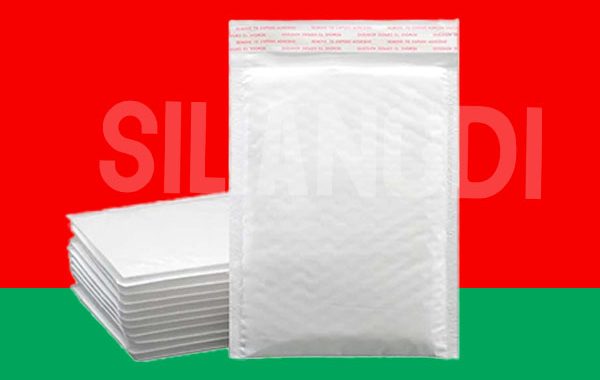
In electronics packaging, bubble bag selection has evolved from simple cushioning requirements to sophisticated electrostatic management engineering. The three main types represent distinct philosophies and technical implementation paths in static control.

Static Control Bubble Bag Technology Comparison Matrix

Technical DimensionStandard Bubble BagAnti-Static Bubble BagConductive Bubble Bag
Surface Resistance>10¹² Ω10⁹-10¹² Ω10⁴-10⁶ Ω
Static Dissipation Time>100 seconds0.1-2.0 seconds<0.01 seconds
Material TechnologyLDPE BaseLDPE + Permanent Anti-static AgentsLDPE + Conductive Fillers (Carbon Black/Fiber)
Protection MechanismPhysical CushioningCharge Even DistributionDirected Charge Guidance
Application ScenarioGeneral Consumer GoodsStandard Electronic ComponentsSensitive Semiconductors/Military Products
Cost Factor1.0x1.3-1.8x2.5-4.0x

Advanced Technical Analysis:

  1. Breaking Through Standard Bubble Bag Limitations
    Traditional bubble bags, due to LDPE’s high insulation properties, can generate over 15,000V of static electricity through surface friction. This isn’t merely a packaging issue but a supply chain risk point. When electrostatic accumulation reaches critical levels, it can damage sensitive components up to 5 meters away.
  2. Chemical Intelligence of Anti-Static Bubble Bags
    By incorporating permanent anti-static agents like ethoxylated alkylamines, microscopic hydrophilic networks form within the polymer matrix. These polar molecules function as “electrostatic sponges,” absorbing environmental moisture (optimal RH 40%-60%) to create conductive pathways, achieving gentle charge dissipation rather than instantaneous discharge.
  3. Physical Revolution of Conductive Bubble Bags
    Using carbon black or metal coating technologies, surface resistance drops below 10⁶Ω—equivalent to laying “electronic highways” across bubble surfaces. Latest technologies employ carbon nanotube composites, meeting MIL-PRF-81705D standards while maintaining transparency.

Contact Us for Custom Sizes & Private Label Options
Email:packing@siliangdi.com
Email:SLD@siliangdi.com
Explore full specifications

Grain Storage Bags

The Science and Market of Grain Storage Bags: U.S. Consumer Insights & Packaging Innovation Trends

From Materials Engineering to Consumer Experience—Deep Analysis of Three Technological Revolutions and Five Market Pain Points in U.S. Grain Packaging

In the United States, grain storage has evolved beyond simple “moisture and pest prevention” needs into a complex system integrating materials science, consumer psychology, and sustainability principles. As deep observers in the packaging industry, we decode the technological evolution and commercial logic of grain storage packaging based on the latest U.S. market data and consumption trends.

U.S. Grain Packaging Performance Requirements Matrix

Performance DimensionBasic RequirementsAdvanced RequirementsInnovative Requirements
Barrier PerformanceMoisture & pest prevention (MVTR<10g/m²/d)Oxidation prevention & aroma retention (OTR<50cc/m²/d)Smart atmosphere adjustment (automatic humidity regulation)
Material SafetyFDA food contact certificationNon-GMO material certificationBio-based biodegradable materials
Usage ConvenienceEasy open/close, resealablePrecision pouring spout, viewing windowIntegrated RFID smart inventory management
SustainabilityRecyclable designPost-consumer recycled (PCR) content ≥30%Home compostable certification
Shelf PerformanceTransparent product displayBrand storytelling visualizationAugmented Reality (AR) interactive experience

Technical Deep Dive: The Engineering Intelligence of Three-Layer Composite Materials

Modern grain packaging bags have long surpassed the era of single-layer PE. High-end products commonly adopt a PET/AL/PE three-layer co-extrusion structure:

  • Outer layer (PET): Provides mechanical strength and printability, typically 12-15μm in basis weight
  • Middle layer (AL): Aluminum foil layer 7-9μm thick, offering excellent barrier performance (MVTR<2g/m²/d)
  • Inner layer (PE): Food-grade polyethylene ensuring sealing performance and safe contact

This structure creates a “1+1+1>3” synergistic effect, but material costs are 40-60% higher than single-layer bags. The willingness of American consumers to pay this technological premium stems from their zero-tolerance attitude toward food safety.

Market Pain Points & Innovation Opportunities

  1. Measurement Accuracy Dilemma: Surveys show 68% of U.S. consumers complain about difficulty controlling portions with traditional packaging. Innovative solution—integrated measuring spout—can control each pour within ±2 grams.
  2. Space Optimization Demand: Average American kitchen storage space has shrunk 23% compared to a decade ago. Stand-up tapered bottom design saves 37% shelf space at equal capacity.
  3. Sustainability Paradox: 73% of consumers claim to value eco-friendliness, but only 34% are willing to pay over a 15% premium. Solution—progressive sustainability strategy: starting at 30% PCR content, increasing 5% quarterly.

Contact Us for Custom Sizes & Private Label Options
Email:packing@siliangdi.com
Email:SLD@siliangdi.com
Explore full specifications

Bubble Mailers | High-Strength Protective Packaging

Technical Deep Dive into Air Bubble Bags: From LDPE Materials Science to Intelligent Cushioning Systems

Engineering Principles and Innovative Applications of Bubble Wrap in Precision Electronics Logistics Protection

As a critical material in modern logistics protection, air bubble bags possess technical sophistication far beyond common perception. Based on high-pressure low-density polyethylene (LDPE), bubble wrap is not merely a simple cushioning layer but a precisely engineered mechanical system.

Table: Technical Parameters and Protective Performance Matrix of Air Bubble Bags

Technical DimensionCore Technical IndicatorsMaterial & Process ImplementationProtective Value
Base MaterialLDPE Density 0.918-0.923g/cm³High-pressure Polymerization ControlBalances Flexibility & Strength
Bubble StructureDiameter 6-30mm, Height 3-10mmCo-extrusion Blown Film TechnologyAir Spring Effect Absorbs Impact
Compression ResistanceStatic Pressure 500-2000PaMulti-layer Composite DesignPrevents Stacking Damage
Anti-static GradeSurface Resistance 10⁶-10¹²ΩCarbon Black/Metal AdditivesProtects Sensitive Electronic Components
Heat Seal StrengthSeam Strength 15-30N/15mmPrecision Temperature Control SealingEnsures Packaging Integrity

Engineering Deep Dive:

  1. Air Spring Mechanical Principles
    Each independent bubble functions as a miniature air spring. Upon impact, compressed air within bubbles converts kinetic energy according to PV=nRT gas laws. Double-sided bubble bags’ symmetrical structures provide multi-directional cushioning, especially suitable for irregularly shaped products.
  2. Advanced Materials Science Applications
    Anti-static bubble bags incorporate permanent antistatic agents (e.g., ethoxylated alkylamines) to form conductive networks within LDPE matrices. Conductive types employ carbon fiber composites, controlling surface resistance at 10⁴-10⁶Ω to meet military-grade protection requirements.
  3. Smart Packaging Innovation Trends
    Modern bubble bags are evolving toward functional integration:
  • Temperature-sensitive color-changing bubble bags: Bubble color changes when environmental temperatures exceed set ranges
  • RFID-embedded bubble bags: Ultra-thin radio frequency chips enable unboxed inventory checks
  • Self-healing coating technology: Microcapsules rupture to release repair agents, automatically addressing transit damage

Contact Us for Custom Sizes & Private Label Options
Email:packing@siliangdi.com
Email:SLD@siliangdi.com

Explore full specifications

Eco-Friendly Transparent Film Solutions

How Specialty Stretch Film Becomes Intelligent Protection for Precision Components

Technical Breakthroughs in Anti-Static, Anti-Scratch, and Supply Chain Visibility Solutions

In electronics manufacturing, packaging serves not merely as shipping containers but as the first line of defense for product quality. Transparent stretch film, as a core material in electronics packaging, is redefining protection standards for precision components through technological evolution.

Performance Matrix of Electronics-Grade Stretch Film

Performance DimensionTechnical RequirementMaterial SolutionIndustry Value
Surface ProtectionScratch Hardness ≥3HNano-coating Technology90% Reduction in Rework Rate
Static ControlSurface Resistance 10⁶-10⁹ΩCarbon Nanotube Composite FormulaPrevents ESD Damage
CleanlinessParticle Contamination <0.5μmCleanroom Production ProcessMeets Class 1000 Clean Standards
TransparencyHaze ≤3%Optical-Grade LLDPEEnables 100% Visual Quality Inspection
Cushioning PerformanceImpact Absorption ≥85%Micro-foam Layer StructureReplaces Traditional Foam Materials

Technical Deep Dive:

  1. Microscopic Protection Mechanisms
    Traditional stretch films offer limited scratch resistance, whereas electronics-grade variants employ three-layer co-extrusion: a silicone-modified top layer forms a microscopic lubricating surface; a middle layer embedded with ceramic microbeads enhances surface hardness; and a bottom layer maintains appropriate tackiness. This structure ensures that microscopic particles wear preferentially during friction, protecting delicate surfaces.
  2. Electrostatic Management Science
    Electronic components are highly sensitive to static electricity. Advanced formulations utilize synergistic effects of ionic liquids and conductive polymers to precisely control surface resistance. Some models integrate real-time static monitoring—film color changes when environmental ESD risks exceed thresholds, providing early warnings.
  3. Smart Packaging Integration
    Modern electronics-grade stretch films are evolving into data carriers. RFID antennas printed with transparent conductive inks enable reading of product serial numbers and batch data without unpacking, supporting full supply chain traceability.

Contact Us for Custom Sizes & Private Label Options
Email:packing@siliangdi.com
Email:SLD@siliangdi.com
Explore full specifications

Eco-Friendly Transparent Film Solutions

Stretch Film Technology: From PE Polymer Chemistry to Intelligent Packaging Solutions

Comprehensive Analysis of Chemical Formulations, Mechanical Properties, and Innovative Supply Chain Applications

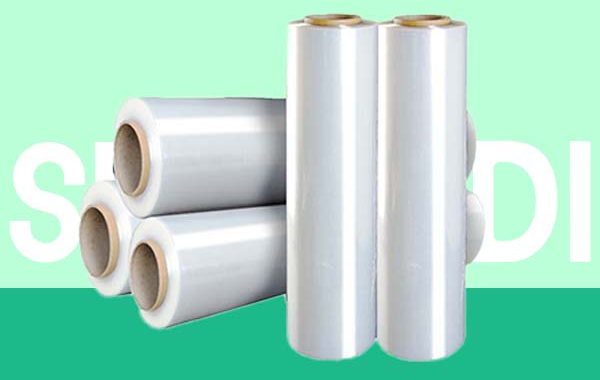
As a polyethylene-based polymer material, stretch film possesses technical sophistication far beyond surface perception. For packaging industry professionals, understanding the intricacies of its chemical formulations and scientific principles of performance optimization is paramount.

Table 1: Key Performance Parameters and Technical Specifications of Stretch Film

Performance DimensionTechnical SpecificationsChemical MechanismApplication Value
Substrate PropertiesLinear Low-Density Polyethylene (LLDPE)Ethylene/α-olefin CopolymerBalanced Tensile Strength & Clarity
Tack SystemPIB Content: 3-8%Polyisobutylene Migration TheoryControlled Self-Adhesion
Mechanical PerformanceStretch Ratio: 200-500%Molecular Chain Orientation & Crystallinity ControlReduced Per-Unit Packaging Cost
Optical PropertiesLight Transmission: ≥92%Nanoscale Surface Smoothness ControlVisual Inventory Management
Protective PerformanceWVTR: <15g/m²·24hMicrocrystalline Structure DensificationWarehouse & Logistics Security

Technical Deep Dive:

  1. The Art of Formulation Balance
    Modern stretch film formulation represents precise balancing of performance parameters. PIB tackifier addition must be controlled within critical concentration ranges—insufficient amounts cause inadequate adhesion, while excess leads to film blocking. Advanced co-extrusion technology enables three-layer structures: surface-optimized tack, core-enhanced strength, and bottom-improved clarity.
  2. Engineering Significance of Stretch Performance
    The 200-500% stretch ratio is scientifically determined. Microscopically, this corresponds to reversible polymer chain orientation; macroscopically, it enables “pre-stretch” applications reducing material usage by 30-50%, directly translating to client cost savings.
  3. Dual Value of High Clarity
    Exceptional transparency not only meets basic visualization needs but also plays crucial roles in modern supply chains. Combined with RFID or QR code technologies, transparent stretch film becomes the physical interface for smart warehouse systems, enabling unboxed inventory audits.

Contact Us for Custom Sizes & Private Label Options
Email:packing@siliangdi.com
Email:SLD@siliangdi.com

Explore full specifications

Patterned Adhesive Tape

The Material Revolution of Paper Tape Sustainability

 Decoding the Environmental Responsibility Economics Behind U.S. Corporate Procurement Decisions

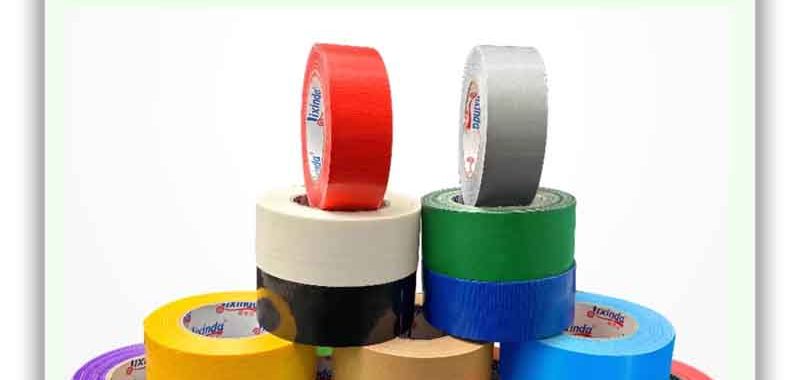
As environmentalism sweeps through American commerce, “recyclable” labels have become mere entry-level credentials for packaging materials. Yet for paper tape—a seemingly simple product—its environmental depth extends far beyond a single label. As senior operators in the U.S.-focused packaging industry, we observe B2B procurement evolving from “green labels” to “life cycle assessment” paradigms. Understanding this shift requires reexamining paper tape from the foundational logic of materials science.

Table: Four-Dimensional Assessment Matrix of Paper Tape Environmental Performance

Assessment DimensionTraditional SolutionEvolved Eco-SolutionIn-Depth Analysis
Material SourceVirgin fiber, uncertified forestry sourcesFSC/PEFC certified forests, or 30%-100% post-consumer recycled fiberVirgin fiber paper tape has 40-60% higher carbon footprint than recycled; certification ensures biodiversity protection
Adhesive TechnologySolvent-based acrylic (VOCs >250g/L)Water-based acrylic (VOCs <50g/L) or bio-based adhesivesWater-based technology reduces VOC emissions by 60-80% in production but requires specialized formulation for weather resistance
Recycling Compatibility<30% separation rate, contaminates pulp streamDesigned for complete separation, compatible with standard recycling processesTrue compatibility requires passing ASTM D1974 testing, not just “recyclable” claims
Full Lifecycle Carbon Emissions~1.8kg CO2e per roll (66yd)Optimized to 0.9-1.2kg CO2e per rollSystem optimization through recycled fiber, clean energy production, and low-carbon transport can reduce emissions by 35-50%

First-Principles Thinking: Why Sustainability Has Become a Core Procurement Criterion

  1. Supply Chain Transparency Pressure: Legislation like California’s SB253 requires Scope 3 emissions disclosure, making paper tape a direct component of client carbon footprints. Third-party certifications (e.g., EPDs) are becoming mandatory for large corporations.
  2. Recycling System Economics: U.S. MRFs face severe contamination issues. One improperly separating tape can downgrade an entire batch of cardboard, causing $200-500/ton in losses. Eco-friendly paper tape is transitioning from a “cost item” to a “risk mitigation tool.”
  3. Brand Value Transmission: From Patagonia to Unilever, leading brands are using sustainable packaging as physical carriers of brand narratives. Paper tape material selection has become tangible expression of supply chain values.

Operational Strategy Reconstruction: From Product Sales to Environmental Solutions

  1. Data-Driven Environmental Claims: Instead of “eco-friendly,” present quantified benefits: “Contains 75% post-consumer recycled fiber, ISCC mass balance certified, each roll saves 1.2L of water.” Quantifiable environmental benefits integrate more easily into ESG reporting.
  2. Create Certification Matrix: Build an interactive certification explanation system on your site, clearly demonstrating the practical meaning of FSC, BPI, UL ECOLOGO certifications to reduce client verification costs.
  3. Scenario-Based Solution Library: Provide material recommendations for different applications: e-commerce FMCG suits high-recycled content tape, industrial shipping needs high-strength eco-adhesives, food contact requires FDA-certified water-based adhesives.
  4. Life Cycle Assessment Tools: Develop simple LCA calculators allowing clients to input monthly usage, automatically estimate carbon reduction, and directly connect data to their sustainability reporting frameworks.

Advanced Insights: Future Competitive Dimensions

True differentiation will emerge from three often-overlooked dimensions:

  1. Traceability Technology: Blockchain-supported fiber traceability systems allowing each tape roll to tell its “forest story”
  2. Upcycled Material Innovation: Specialty paper substrates from agricultural waste (bagasse, wheat straw) or textile waste
  3. Smart Separation Technology: “Intelligent adhesives” that lose tack under specific pH or temperature conditions, completely solving recycling separation challenges

Contact Us for Custom Sizes & Private Label Options
Email:packing@siliangdi.com
Email:SLD@siliangdi.com

Explore full specifications

boxes

Carton Packaging Labeling Systems: Scientific Interpretation and Application Guide for Protective Symbols and Textual Cautions

Standardized Labeling, Risk Notification, and Legal Liability Analysis Under US Packaging Compliance Requirements

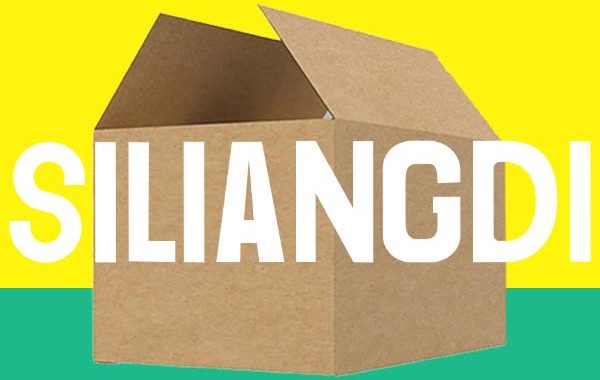
In international trade, particularly US-China freight transportation, carton packaging labeling systems serve not only as operational guides but also as crucial components of legal compliance. According to ISTA research, proper use of packaging labels can reduce cargo damage rates by 42% and liability disputes by 65%. The US market maintains stringent regulations for packaging labels, with ASTM D5445 standards and FTC labeling requirements forming the dual foundation for label usage.


Primary Carton Label Categories and US Standard Comparison Table

Label CategoryCommon Chinese WordingStandard English EquivalentASTM CodeApplicable Cargo TypesLegal Liability Relevance
Handling Warnings“小心轻放”“Handle with Care”D5445-08Fragile items, precision instrumentsCarrier duty of care
Orientation Indicators“向上”、“禁止翻滚”“This Side Up”, “Do Not Roll”D5445-12Liquids, precision equipmentTransportation contract terms
Environmental Warnings“怕湿”、“防潮”“Keep Dry”, “Moisture Sensitive”D5488-11Electronics, pharmaceuticalsInsurance claim basis
Stacking Limitations“堆码极限”“Stacking Limit”D642-15Heavy cargoOSHA safety standards
Safety Warnings“注意防火”、“易碎”“Flammable”, “Fragile”D5639-16Chemicals, glass productsProduct liability law
Special Attributes“食品级”、“防异味”“Food Grade”, “Odor Sensitive”D1970-16Food, cosmeticsFDA compliance requirements
Environmental Labels“绿化环境”、“可回收”“Recyclable”, “Forest Stewardship”D5488-14All packagingFTC Green Guides

Scientific Principles of Label System Design

1. Visual Hierarchy and Cognitive Logic

Professional carton labels should follow the “Hazard Warning > Operational Guidance > Information Description” visual priority:

  • Primary Labels: Red/orange triangular warning symbols (size ≥10×10cm)
  • Secondary Labels: Blue operational instruction symbols (size ≥8×8cm)
  • Tertiary Labels: Black informational text (font height ≥2cm)

2. Multilingual Configuration Strategy

Labels for the US market should adopt “English primary + Chinese secondary” mode:

  • Main Face: English labels compliant with ANSI Z535.4 standard
  • Side Faces: Chinese labels meeting Chinese export requirements
  • ISO Symbols: International universal graphics reduce language dependency

Contact Us for Custom Sizes & Private Label Options
Email:packing@siliangdi.com
Email:SLD@siliangdi.com

Explore full specifications

Boxes Necessary

Paper Packaging: From Cost Center to Core Business Strategy

Why the Most Traditional Form of Packaging is Undergoing a Silent Revolution

In an era where e-commerce sales are projected to reach $6.3 trillion, a seemingly mundane decision—what kind of box to use—can become the watershed between business success and mediocrity. This is no longer just about “putting things inside,” but about how to protect your profits, brand reputation, and customer relationships at every shipping touchpoint.

The Performance Matrix of Paper Packaging: From Basic to Strategic

Functional DimensionTechnical CharacteristicsBusiness ValueKey Metrics
Structural IntegrityMulti-layer corrugated structure, custom insertsReduces damage claims by up to 85%Edge Crush Test (ECT), Burst Strength
Logistical EfficiencyStandardized sizes, smart stacking designLowers shipping costs by 30-40%Dimensional Weight Ratio, Pallet Utilization
Brand ExperienceHigh-definition printing surface, unboxing experience designIncreases brand loyalty by 45%Customer Satisfaction, Social Media Share Rate
SustainabilityRecyclable materials, carbon footprint optimizationMeets the eco-expectations of 92% of consumersRecycling Rate, Life Cycle Assessment
IntelligenceRFID integration, IoT connectivityReal-time tracking & inventory optimizationData Accuracy Rate, Operational Efficiency Gain

Structural Science: Engineering Thinking Beyond “Strong Enough”
Modern paper box engineering has evolved from simple “strong enough” to the precise science of load analysis. Through finite element analysis and real-world shipping environment simulation, today’s box design can:

  • Predict and withstand stress points specific to a supply chain
  • Optimize material use, reducing over-packaging by 20-30%
  • Integrate smart sensing layers to record shocks and temperature changes during transit

Case Data: A mid-sized e-commerce company reduced its shipping damage rate from 4.2% to 0.8% through customized box engineering, saving over $180,000 annually in return and replacement costs.

Logistics Optimization: The Box as an Intelligent Node in the Supply Chain
In an environment of rising logistics costs, the box has become a key component of dynamic pricing strategies:

  • Size optimization algorithms automatically match the smallest usable box, reducing void fill
  • Stacking compatibility design maximizes load density, improving transport efficiency
  • Automation-friendly structures adapt to high-speed sorting systems, reducing manual intervention

Industry Insight: Companies adopting intelligent box size optimization reduce shipping costs by an average of 28% while shortening packing time by 35%.

Brand Transformation: The Box as a Silent Salesperson
In an era where digital and physical experiences converge, the box has transformed from “the last packaging seen” to “the first-impression brand ambassador”:

  • Augmented Reality integration provides product stories and usage tutorials via phone scanning
  • Emotional design creates a pleasurable experience through texture, opening method, and internal arrangement
  • Social sharing optimization encourages user-generated content, amplifying brand influence

Consumer Data: 68% of consumers state that a high-quality unboxing experience directly impacts their overall brand evaluation and repurchase intention.

Sustainable Innovation: From Linear Consumption to Circular Engagement
Next-generation box technology is redefining the packaging lifecycle:

  • Traceable fibers ensure sustainable material sourcing
  • Modular design supports multiple uses and functional transformation
  • Bio-based coatings provide protective performance without environmental burden
  • Closed-loop systems incentivize consumer participation in the recycling process

Contact Us for Custom Sizes & Private Label Options
Email:packing@siliangdi.com
Email:SLD@siliangdi.com

Explore full specifications

Eco-Friendly Transparent Film Solutions

Degradable Transparent Stretch Film: Eco-Packaging Breakthroughs & Commercial Use

Biodegradable Transparent Film: US Market Solutions & Cost Analysis

As sustainable packaging becomes a global consensus, degradable transparent stretch film is transitioning from a conceptual product to a practical choice in the mainstream US packaging market. This material not only maintains the transparency and stretch performance of traditional PE film but also achieves complete biodegradation under specific conditions, effectively addressing the environmental legacy of plastic packaging.


Comparative Analysis of Degradable Transparent Stretch Film Technologies

Degradation TypeCore MaterialDegradation ConditionsTimeframeEnd ProductsUS Certification RequirementsCost Premium
Industrial CompostingPLA/PBAT composite58-60°C industrial composting90-180 daysCO₂ + water + biomassASTM D6400, BPI certification45-65%
Home CompostingPHA/PBS materialsNatural composting environment6-24 monthsSoil organic matterOK HOME Compost certification60-85%
Marine DegradationModified PCL materialsSeawater environment12-36 monthsNon-toxic small moleculesTÜV Marine Biodegradable certification70-100%
Thermo-Oxidative DegradationPE + degradation additivesLight/oxygen exposureControlled timeframeMicroplastic fragmentsFTC Guidelines restrict use15-30%

In-Depth Technical Principles

1. Bio-Based Degradable Materials

New-generation degradable films employ composite technology of plant-based polymers and petroleum-based degradable materials:

  • PLA (Polylactic Acid): Derived from corn starch, 92% transparency but lower toughness
  • PBAT (Polybutylene Adipate Terephthalate): Provides flexibility and degradation properties
  • Innovative Formulations: PLA/PBAT/PHA triple composite materials balance performance with degradation rates

2. Scientific Degradation Mechanisms

True biodegradation requires three conditions:

  • Microbial Recognition: Material molecular structure recognized by microorganisms as a food source
  • Enzymatic Breakdown: Microorganisms secrete enzymes to break polymers into small molecules
  • Complete Assimilation: Small molecules metabolized into CO₂, water, and biomass

Contact Us for Custom Sizes & Private Label Options
Email:packing@siliangdi.com
Email:SLD@siliangdi.com

Explore full specifications