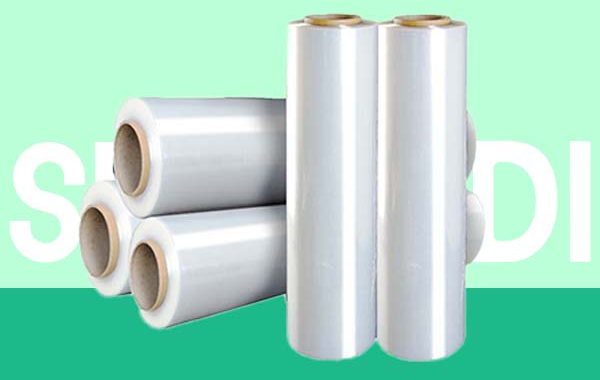
How Advanced Polymer Engineering Creates Superior Clarity, Strength and Load Stability
In the world of protective packaging, transparent stretch film represents one of the most sophisticated material innovations, where clarity meets strength in a delicate balance of polymer science. For American businesses seeking optimal packaging solutions, understanding stretch film materials isn’t just technical knowledge—it’s crucial for making informed decisions that balance performance, cost, and sustainability.
Comprehensive Stretch Film Material Guide:
| Material Type | Base Polymer | Key Characteristics | Performance Applications |
|---|---|---|---|
| LLDPE | Linear Low-Density Polyethylene | Excellent stretchability, good puncture resistance | General warehouse use, standard pallet wrapping |
| VLDPE | Very Low-Density Polyethylene | Superior cling, enhanced tear resistance | Light loads, irregular shapes, high humidity environments |
| MPE | Metallocene Polyethylene | Exceptional strength, memory retention | Heavy loads, long-distance shipping, automated equipment |
| Blended Films | LLDPE + VLDPE + MPE | Balanced performance, cost-effective | Multi-purpose applications, mixed load types |
| Specialty Compounds | Engineered Copolymers | UV resistance, anti-static properties | Outdoor storage, electronic components, cold chain |
The manufacturing process plays an equally crucial role in material performance. Cast extrusion produces films with exceptional clarity and consistent thickness, ideal for high-speed automated applications. Blown extrusion creates stronger, more durable films with better puncture resistance, though with slightly reduced transparency. The choice between these methods depends on the specific balance of clarity, strength, and application requirements.
Advanced Material Innovations:
- Nano-composite Additives: Enhance strength while reducing material usage
- UV Stabilizers: Protect against sun degradation for outdoor applications
- Anti-fog Agents: Maintain clarity in varying temperature conditions
- Color Indicators: Visual confirmation of proper application and coverage
- Recycled Content: Post-industrial and post-consumer material integration
Implementation Guidelines:
- Load Analysis: Assess weight, stability, and environmental exposure
- Equipment Compatibility: Match film type to wrapping equipment capabilities
- Climate Considerations: Account for temperature and humidity variations
- Sustainability Goals: Balance performance with environmental objectives
- Cost Optimization: Evaluate total cost of ownership, not just material price
Contact Us for Custom Sizes & Private Label Options
Email:packing@siliangdi.com
Email:SLD@siliangdi.com