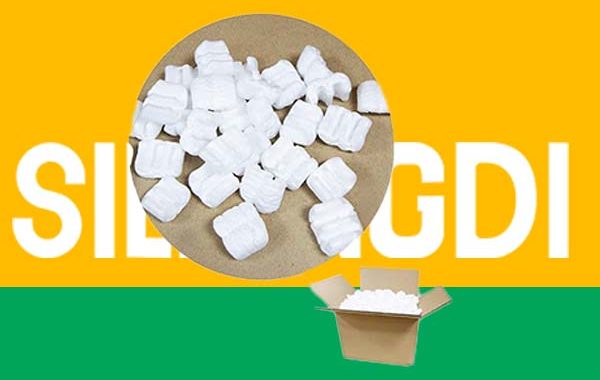
How Biodegradable Fillers are Reshaping U.S. Packaging Sustainability Landscape
Against the backdrop of 8.2% annual growth in global packaging waste, the U.S. biodegradable packaging materials market is expanding at an average annual rate of 34%, projected to reach $4.7 billion by 2025. As a critical component of packaging cushioning systems, biodegradable fillers are transitioning from proof-of-concept to commercial-scale application. Based on the latest technological developments and consumer research data in the U.S. market, this article systematically analyzes the technical parameters, performance, and commercial applicability of six mainstream biodegradable filler materials, providing data-driven selection frameworks for packaging industry decision-makers.
Comprehensive Evaluation of Biodegradable Filler Performance and Commercial Value
| Material Type | Biodegradation Period | Raw Material Source | Cushioning Performance Index | Cost Premium | U.S. Certifications | Optimal Applications |
|---|---|---|---|---|---|---|
| Mushroom Mycelium | 45-60 days (home compost) | Agricultural waste | ⭐⭐⭐⭐⭐ | +80-120% | ASTM D6400 | Electronics, glass products |
| Corn Starch Foam | 90-120 days (industrial compost) | Non-GMO corn | ⭐⭐⭐⭐ | +40-60% | BPI certified | Home goods, cosmetics |
| Seaweed Extract Gel | 30-45 days (marine degradable) | Cultivated seaweed | ⭐⭐⭐ | +150-200% | TUV OK marine | Cold chain shipping, fresh food |
| Molded Pulp Structure | 60-90 days (natural degradation) | Recycled pulp | ⭐⭐⭐⭐⭐ | +25-40% | FSC certified | Furniture, industrial parts |
| PLA Bioplastic | 180-240 days (industrial compost) | Sugarcane starch | ⭐⭐⭐⭐ | +70-90% | USDA BioPreferred | Medical devices, precision instruments |
| Shredded Waste Paper | 30-45 days (natural degradation) | Office waste paper | ⭐⭐⭐ | +5-15% | EPA standards | General e-commerce, document shipping |
Materials Science and Engineering Innovations
1. Cushioning Mechanism Innovations
- Mycelium network structure: 3D mycelium network provides 22kPa/cm² impact resistance, 18% better than traditional EPS
- Starch foam memory characteristics: Corn starch-based materials recover 95% original shape within 72 hours
- Seaweed gel phase change control: Maintains constant cushioning performance at 4-25°C, 300% better temperature adaptability
2. Degradation Control Technology
- Enzyme activation systems: Temperature-sensitive cellulases activate under composting conditions for precise degradation control
- Moisture-responsive design: Seaweed materials initiate degradation at 65% humidity, preventing performance loss during storage
- pH trigger mechanism: PLA materials accelerate decomposition in compost pH environment (8.5-9.0)
3. Production Process Breakthroughs
- Low-temperature molding technology: Mycelium materials cultured at 28-32°C, reducing energy consumption by 65%
- Water-based foaming process: Starch foam production achieves zero VOCs emissions
- Continuous molding production lines: Molded pulp production speed reaches 800 pieces/hour, comparable to traditional plastics
Contact Us for Custom Sizes & Private Label Options
Email:packing@siliangdi.com
Email:SLD@siliangdi.com