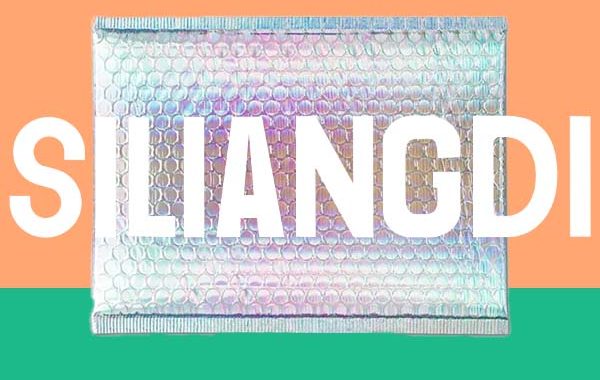
Bubble Mailers | High-Strength Protective Packaging

How Bubble Mailers Are Engineered for Superior Protection

The Manufacturing Process Behind Air Cushion Packaging

Bubble mailers represent one of the most ingenious applications of material science in protective packaging, where simple air becomes the primary defense against impact and abrasion. For American e-commerce businesses and logistics providers, understanding bubble mailer manufacturing isn’t just about knowing how they’re made—it’s about appreciating the engineering that makes them both lightweight and incredibly protective.

Bubble Mailer Manufacturing Process Breakdown:

Manufacturing StageKey EquipmentProcess ParametersQuality Control Focus
Film ExtrusionExtruder, Die AssemblyTemperature control (180-250°C), resin mixingThickness consistency, material purity
Bubble FormationVacuum forming rolls, Cooling systemAir pressure control, cooling rateBubble uniformity, seal integrity
LaminationHeated rollers, Adhesive applicationPressure (2-5 kg/cm²), temperature controlBond strength, delamination resistance
ConversionDie-cutting machines, Sealing unitsCutting precision, heat seal timingDimension accuracy, seal reliability
FinishingPrinting stations, Perforation unitsInk adhesion, perforation consistencyBrand clarity, easy-opening function

The process begins with polyethylene resin—typically LDPE or LLDPE—which is melted and extruded into thin films. The magic happens during bubble formation, where two plastic sheets are heated and precisely pressed together around a patterned roller. One sheet forms the bubble domes while the other creates the sealing layer, with air trapped between them through vacuum technology.

Advanced Manufacturing Technologies:

  • Co-extrusion Capability: Layering different polymers for enhanced properties
  • Precision Air Entrapment: Controlled bubble sizing and distribution
  • Integrated Printing: High-quality flexographic printing during manufacturing
  • Automated Quality Scanning: Real-time detection of defects and inconsistencies
  • Sustainable Material Integration: Incorporating recycled content without compromising performance

Material Science Innovations:
Modern bubble mailers incorporate advanced material technologies:

  • Anti-static additives for electronics protection
  • UV stabilizers for outdoor durability
  • Bio-based polymers from renewable resources
  • High-barrier coatings for moisture protection
  • Self-sealing adhesives for user convenience

Sustainability in Manufacturing:
Bubble mailer production has evolved to address environmental concerns:

  • Thinner gauge films reducing plastic usage by 30-40%
  • Post-industrial recycled content up to 50%
  • Water-based inks and adhesives reducing VOC emissions
  • Energy-efficient extrusion processes
  • Recyclable material formulations compatible with existing streams

Quality Assurance Protocols:
Each manufacturing stage includes rigorous testing:

  • Air Retention Testing: Ensuring bubbles maintain inflation
  • Tensile Strength Verification: Confirming material durability
  • Seal Integrity Checks: Preventing delamination
  • Impact Resistance Testing: Validating protective performance
  • Consistency Monitoring: Maintaining bubble size and distribution

Customization Capabilities:
Advanced manufacturing enables extensive customization:

  • Brand-specific printing for marketing impact
  • Custom sizes and shapes for product-specific protection
  • Specialty bubbles with enhanced cushioning properties
  • Integrated tear strips for easy opening
  • Multiple closure systems including self-seal and peel-and-stick

Economic and Performance Benefits:
The manufacturing process directly impacts performance:

  • Consistent bubble size ensures reliable cushioning
  • Precision sealing maintains air retention
  • Material optimization balances protection and cost
  • Automated production ensures quality consistency
  • Scalable manufacturing meets volume demands

Conclusion: Engineering Protection Through Precision Manufacturing
Bubble mailer manufacturing represents the perfect marriage of material science and precision engineering. By understanding these sophisticated processes, American businesses can make informed decisions about their protective packaging needs, selecting solutions that offer optimal protection while aligning with sustainability goals. In today’s competitive e-commerce landscape, this knowledge enables companies to choose packaging that not only protects their products but also reflects their commitment to quality and environmental responsibility.

Contact Us for Custom Sizes & Private Label Options
Email:packing@siliangdi.com
Email:SLD@siliangdi.com

Explore full specifications

Boxes Necessary

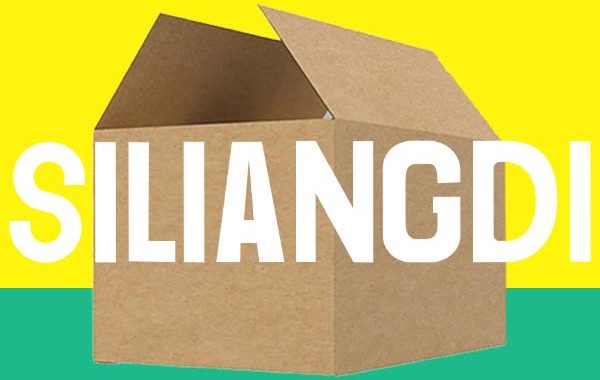
Corrugated Conversion: The Manufacturing Process Behind High-Performance Shipping Boxes

From Pulp to Protection: The Precision Engineering of Modern Corrugated Packaging

The US shipping box market, valued at $68.7 billion, relies on corrugated conversion—the sophisticated manufacturing process that transforms raw paper into engineered packaging solutions. For American businesses requiring reliable shipping materials, understanding this conversion process reveals why quality boxes outperform generic alternatives in protection, sustainability, and cost efficiency. This industrial alchemy combines material science, mechanical engineering, and precision manufacturing to create the backbone of e-commerce logistics.

The Corrugated Conversion Process: Stage-by-Stage Analysis

Manufacturing StageInput MaterialsProcess TechnologyQuality Output Parameters
Pulp PreparationRecycled fibers (85%) + virgin pulpHydraulic pulping, centrifugal cleaningFiber length: 2.1-2.5mm; Contaminants: <0.05%
Paper FormationRefined pulp slurryFourdrinier machine + pressurized dryingBasis weight: 125-300 gsm; Moisture: 8±1%
CorrugatingKraft liners + medium paperSteam-heated corrugating rolls (180-200°C)Flute profiles: A/B/C/E/F; Bond strength: ≥25 psi
Adhesive ApplicationStarch-based adhesivePrecision nozzle system + viscosity controlAdhesive spread: 18-22 gsm; Gel temp: 58-62°C
Lamination & DryingMultiple corrugated layersHot plates + belt pressure systemCompression resistance: 35-90 ECT; Warp: <1%
Die-Cutting & ScoringCorrugated sheetsRotary die-cutters + laser scoringTolerance: ±0.5mm; Burr: <0.1mm
Printing & CoatingWater-based inksFlexographic printing + curtain coatingPrint resolution: 100 lpi; Gloss: 20-85 GU
Finishing & InspectionConverted blanksAutomated sorting + vision systemsDefect rate: <0.3%; Stack uniformity: 99.5%

Engineering Excellence: Critical Conversion Technologies

  1. Advanced Corrugator Systems
    • Computer-controlled flute formation with real-time adjustment
    • Moisture profiling across web width (8-9% optimal range)
    • Tension control systems maintaining 2-3 N/mm consistency
  2. Precision Adhesive Chemistry
    • Modified starch formulations for rapid bonding (3-5 second set time)
    • Boron-crosslinked adhesives enhancing water resistance
    • pH-controlled systems (8.5-10.5) optimizing viscosity stability
  3. Smart Manufacturing Integration
    • IoT sensors monitoring 50+ process variables simultaneously
    • Predictive maintenance algorithms reducing downtime by 40%
    • Energy recovery systems capturing 65% of thermal waste

Contact Us for Custom Sizes & Private Label Options
Email:packing@siliangdi.com
Email:SLD@siliangdi.com
Explore full specifications

boxes

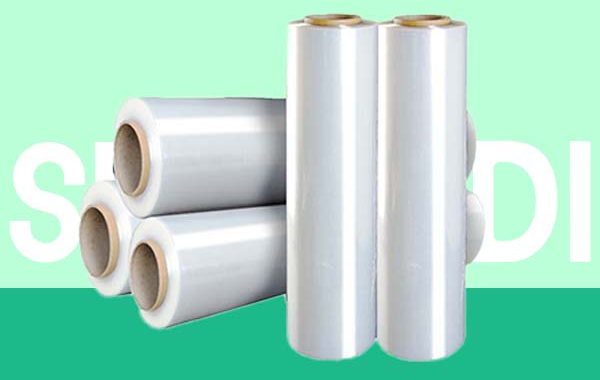
Corrugated Carton Construction: Engineered Materials for Secure Shipping

How Multi-Layer Corrugated Board Technology Creates Unmatched Protection for E-commerce Deliveries

At its core, corrugated cardboard is a sandwich structure where the fluted medium creates vertical columns that resist compression, while the linerboards distribute weight and provide surface protection. This elegant engineering principle allows cardboard to achieve remarkable strength-to-weight ratios, making it ideal for everything from lightweight consumer goods to heavy industrial equipment.

Corrugated Material Composition Guide:

ComponentMaterial OptionsKey CharacteristicsPerformance Applications
LinerboardsKraftliner (virgin fiber), Testliner (recycled), White TopSurface smoothness, printability, moisture resistanceBrand presentation, weather protection, shipping durability
Fluting MediumSemi-chemical pulp, Recycled fiberArch structure, compression strength, cushioningStacking strength, shock absorption, thermal insulation
AdhesivesStarch-based, Synthetic resinsBond strength, moisture resistance, flexibilityStructural integrity, climate adaptability
CoatingsWax, Polymer films, Anti-static treatmentsWater resistance, vapor barrier, surface protectionCold chain shipping, electronics, high-humidity environments

The choice between Kraftliner (made from virgin wood fibers) and Testliner (containing recycled content) represents a fundamental decision in box specification. Kraftliner offers superior strength and tear resistance, making it ideal for heavy items and long supply chains. Testliner provides excellent environmental credentials while maintaining adequate protection for most applications, with modern recycled boards achieving performance levels once possible only with virgin materials.

Advanced Material Combinations:

  • Double-Wall Construction: Combines multiple flute sizes for maximum stacking strength
  • Water-Resistant Treatments: Wax and polymer coatings that protect against moisture
  • Anti-Static Materials: Carbon-infused layers for electronics protection
  • Food-Grade Liners: Bleached surfaces meeting FDA requirements
  • Heavy-Duty Options: Enhanced ECT ratings from 55-90+ for industrial applications

Sustainability Integration:
Modern corrugated materials demonstrate impressive environmental credentials:

  • Recycled Content: Many boxes contain 70-100% recycled fiber
  • Renewable Sources: Virgin fibers from sustainably managed forests
  • Recyclability: Over 90% recovery rate in the US packaging stream
  • Biodegradability: Natural decomposition in composting environments
  • Lightweighting: Reduced material usage through engineering innovations

Performance Specifications:
Material selection directly impacts box performance:

  • Mullen Test: Measures puncture resistance (125-200# for standard boxes)
  • ECT Rating: Edge Crush Test indicates stacking strength (32-55+ ECT)
  • Cobb Value: Measures water absorption resistance
  • Burst Strength: Overall durability under pressure

Implementation Framework:

  1. Product Analysis: Assess weight, fragility, and environmental risks
  2. Supply Chain Evaluation: Consider handling intensity and transit time
  3. Material Selection: Choose components based on performance needs
  4. Prototype Testing: Validate protection through ISTA-certified testing
  5. Continuous Optimization: Monitor performance and adjust specifications

Future Material Trends:
The next generation of corrugated materials includes:

  • Smart Coatings: Temperature and moisture indicators
  • Bio-Based Barriers: Plant-derived water resistance
  • Enhanced Recycled Fibers: Near-virgin performance from recycled content
  • Integrated Cushioning: Built-in protective structures
  • Digital Printing Surfaces: Enhanced branding capabilities

Contact Us for Custom Sizes & Private Label Options
Email:packing@siliangdi.com
Email:SLD@siliangdi.com
Explore full specifications

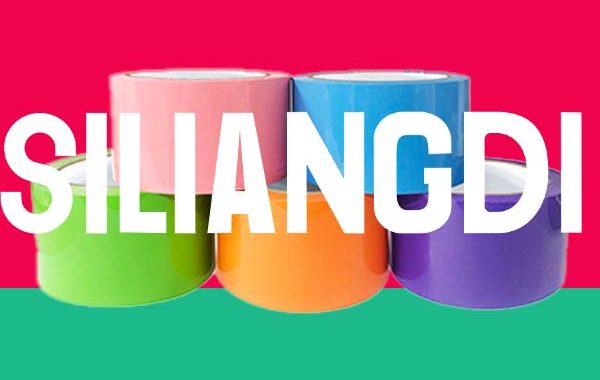
Eco-Friendly Transparent Film Solutions

Transparent Stretch Film Materials: Clarity Science & Technology Explained

How Advanced Polymer Engineering Creates Superior Clarity, Strength and Load Stability
In the world of protective packaging, transparent stretch film represents one of the most sophisticated material innovations, where clarity meets strength in a delicate balance of polymer science. For American businesses seeking optimal packaging solutions, understanding stretch film materials isn’t just technical knowledge—it’s crucial for making informed decisions that balance performance, cost, and sustainability.

Comprehensive Stretch Film Material Guide:

Material TypeBase PolymerKey CharacteristicsPerformance Applications
LLDPELinear Low-Density PolyethyleneExcellent stretchability, good puncture resistanceGeneral warehouse use, standard pallet wrapping
VLDPEVery Low-Density PolyethyleneSuperior cling, enhanced tear resistanceLight loads, irregular shapes, high humidity environments
MPEMetallocene PolyethyleneExceptional strength, memory retentionHeavy loads, long-distance shipping, automated equipment
Blended FilmsLLDPE + VLDPE + MPEBalanced performance, cost-effectiveMulti-purpose applications, mixed load types
Specialty CompoundsEngineered CopolymersUV resistance, anti-static propertiesOutdoor storage, electronic components, cold chain

The manufacturing process plays an equally crucial role in material performance. Cast extrusion produces films with exceptional clarity and consistent thickness, ideal for high-speed automated applications. Blown extrusion creates stronger, more durable films with better puncture resistance, though with slightly reduced transparency. The choice between these methods depends on the specific balance of clarity, strength, and application requirements.

Advanced Material Innovations:

  • Nano-composite Additives: Enhance strength while reducing material usage
  • UV Stabilizers: Protect against sun degradation for outdoor applications
  • Anti-fog Agents: Maintain clarity in varying temperature conditions
  • Color Indicators: Visual confirmation of proper application and coverage
  • Recycled Content: Post-industrial and post-consumer material integration

Implementation Guidelines:

  1. Load Analysis: Assess weight, stability, and environmental exposure
  2. Equipment Compatibility: Match film type to wrapping equipment capabilities
  3. Climate Considerations: Account for temperature and humidity variations
  4. Sustainability Goals: Balance performance with environmental objectives
  5. Cost Optimization: Evaluate total cost of ownership, not just material price

Contact Us for Custom Sizes & Private Label Options
Email:packing@siliangdi.com
Email:SLD@siliangdi.com

Explore full specifications

Eco-Friendly Transparent Film Solutions

Transparent Stretch Film: Book Packaging Revolution

Enhancing Protection, Visibility and Efficiency in Modern Book Distribution

In the evolving landscape of book packaging, transparent stretch film has emerged as a sophisticated solution that addresses the unique vulnerabilities of literary works during transit. While traditional boxes and tapes provide basic protection, stretch film offers a comprehensive shielding system that protects against moisture, dust, and handling damage while maintaining complete visibility of contents. For American booksellers, publishers, and distributors, this innovative approach represents a significant advancement in book preservation technology.

Stretch Film Application Guide for Books:

Book CategoryFilm GaugeWrapping MethodSpecial Protection Features
Rare & Collector Editions80-100 gaugeFull encapsulationUV protection, anti-static properties
Academic & Textbook Shipments70-90 gaugePallet wrappingMoisture barrier, dust prevention
Library & Archive Materials60-80 gaugeIndividual wrappingAcid-free film, conservation safe
Retail Bookstore Stock50-70 gaugeBundle wrappingClear branding visibility, anti-fog
International Shipments90-120 gaugeWeather-proof sealingEnhanced puncture resistance

The technical superiority of stretch film becomes evident when examining its protective capabilities. High-quality polyethylene films can withstand up to 300% stretch while maintaining structural integrity, creating a tight, custom-fit package for every book. The material’s memory characteristics ensure consistent tension is maintained throughout the shipping journey, preventing loosening or sagging that could compromise protection.

Advanced Protective Features:

  • Climate Control: Creates a micro-environment that buffers against humidity fluctuations
  • Abrasion Resistance: Protects covers and dust jackets from scuffing and rubbing
  • Visual Verification: Allows immediate content identification without compromising security
  • Stacking Stability: Prevents slippage in storage and during transportation
  • Tear Resistance: Provides durable protection against handling damage

Sustainability Integration:
Modern stretch film solutions address environmental concerns through:

  • Recyclable polyethylene compatible with standard recycling streams
  • Thinner gauges reducing plastic usage by up to 50%
  • Bio-based films made from renewable resources
  • Reusable systems for internal logistics and storage
  • Reduced carbon footprint through lighter weight and material efficiency

Contact Us for Custom Sizes & Private Label Options
Email:packing@siliangdi.com
Email:SLD@siliangdi.com

Explore full specifications

Colored duct tape rolls for ecommerce packaging - custom branded, tamper-evident sealing tape in vibrant colors for shipping box security and brand recognition.

Specialty Sealing Tape: Ultimate Protection for Books

Advanced Adhesive Solutions for Securing Literary Treasures in Shipping & Storage

In the literary world, where every book tells a story, the final chapter of its journey often depends on a seemingly mundane hero: packaging tape. While booksellers and publishers meticulously focus on content and covers, the choice of sealing tape can determine whether a book arrives as a prized possession or a damaged disappointment. For American booksellers and publishers, understanding book-specific taping solutions isn’t just about closure—it’s about completing the protective narrative that begins at the printing press.

Book Sealing Tape Specification Guide:

Tape TypeCompositionKey FeaturesIdeal Book Applications
Water-Activated Paper TapeKraft paper + starch adhesivePermanent bond, eco-friendly, recyclableHardcover books, collector editions, archival storage
Reinforced Paper TapeFiber-reinforced paper + acrylic adhesiveHigh tensile strength, easy tearTextbook shipments, multi-book orders, library deliveries
Archival Quality TapeAcid-free paper + pH-neutral adhesiveConservation safe, removableAntique books, rare manuscripts, special collections
Printable BOPP TapePolypropylene film + acrylic adhesiveCustom branding, moisture resistantRetail bookselling, author shipments, gift books
Easy-Release TapeLow-tack adhesive + paper backingNon-damaging removal, resealableReview copies, temporary storage, circulating collections

The consequences of improper tape selection extend beyond simple package failure. Industry data reveals that 28% of book returns involve tape-related issues, including difficulty opening, residue damage, and inadequate sealing. Proper tape selection reduces these incidents by up to 75% while enhancing customer satisfaction and preserving book value.

Advanced Technical Considerations:

  • Adhesion Precision: Balanced stickiness that secures without damaging book covers
  • Climate Resistance: Performance stability across varying humidity and temperature
  • Aging Characteristics: Long-term reliability without adhesive migration
  • Substrate Compatibility: Optimal bonding with various cardboard grades
  • User Experience: Easy opening without tools or excessive force

Sustainability Integration:
The literary industry shows strong preference for environmentally conscious sealing solutions:

  • Recyclable Paper Tapes that complement book recycling streams
  • Plant-Based Adhesives using renewable resources
  • Compostable Options for environmentally focused retailers
  • Minimalist Application reducing tape usage by 30-40%
  • FSC-Certified Materials ensuring sustainable sourcing

Contact Us for Custom Sizes & Private Label Options
Email:packing@siliangdi.com
Email:SLD@siliangdi.com

Explore full specifications

Bubble Mailers | High-Strength Protective Packaging

Book-Specific Packaging Solutions: Science & Protection

Engineered Packaging Systems Designed to Protect and Preserve Literary Works

In the world of publishing and bookselling, packaging represents far more than simple containers—they are the crucial guardians that preserve literary works from printer to reader. While books may seem durable, they face unique vulnerabilities during shipping that demand specialized packaging solutions. For American booksellers, publishers, and authors, understanding book-specific packaging isn’t just operational knowledge; it’s a strategic imperative that protects both financial investments and cultural artifacts.

Book Packaging Specification Guide:

Book TypeRecommended Box TypeCritical Protection FeaturesSpecial Considerations
Hardcover BooksRigid B-Flute CartonsReinforced corners, anti-crush insertsSpine protection, dust jacket preservation
PaperbacksCustom-Fit MailersTight-fit design, water-resistant liningPage edge protection, cover durability
Academic/TextbooksDouble-Wall C-FluteHigh ECT rating, compression resistanceWeight distribution, frequent handling
Antique/CollectorArchival Quality BoxesAcid-free materials, climate controlLong-term storage, value preservation
Multi-Book OrdersPartitioned ContainersIndividual compartments, balanced weightMixed sizes, gift packaging

The consequences of inadequate book packaging are both measurable and profound. Industry data reveals that 35% of book returns stem from shipping damage, with average recovery costs exceeding the original book value. Proper packaging reduces these losses by up to 80% while enhancing customer satisfaction and repeat purchase rates.

Advanced Protection Technologies:

  • Moisture Barrier Systems: Protect against humidity and liquid damage during transit
  • Anti-Abrasion Coatings: Prevent cover scuffing and surface damage
  • Custom Die-Cut Inserts: Secure individual books while allowing easy removal
  • Temperature-Stable Materials: Maintain integrity across various climate conditions
  • Eco-Friendly Cushioning: Use recycled paper pads and biodegradable wraps

Sustainability Integration:
The book industry has pioneered sustainable packaging solutions:

  • 100% Recycled Corrugated with FSC-certified materials
  • Soy-Based Inks for branding and labeling
  • Minimalist Designs reducing material usage by 30-40%
  • Reusable Book Mailers for repeat customers and book clubs
  • Compostable Void Fill replacing plastic alternatives

Economic Impact Analysis:
Businesses implementing book-optimized packaging report:

  • 65% Reduction in damage-related returns
  • 45% Decrease in packaging material costs through right-sizing
  • 50% Improvement in customer satisfaction scores
  • 30% Increase in social media shares of unboxing experiences
  • 25% Higher repeat purchase rates for well-packaged books

Implementation Framework:

Contact Us for Custom Sizes & Private Label Options
Email:packing@siliangdi.com
Email:SLD@siliangdi.com

Explore full specifications

Boxes Necessary

The Science Behind Furniture-Grade Corrugated Packaging

How Advanced Corrugated Solutions Protect High-Value Furniture Shipments

The $144 billion U.S. furniture market faces a critical challenge: approximately 12% of furniture items sustain damage during shipping, costing retailers an estimated $8.2 billion annually in returns and replacements. Furniture-grade corrugated packaging represents a sophisticated engineering solution that applies structural mechanics, material science, and predictive analytics to transform fragile furnishings into robust, shippable assets. This specialized packaging category has evolved from simple cardboard boxes into engineered protection systems specifically designed for the unique demands of furniture transportation across North American logistics networks.

Furniture-Grade Corrugated Specifications: Engineering Comparison Matrix

Engineering ParameterStandard Shipping BoxFurniture-Grade CorrugatedPerformance Enhancement
Edge Crush Test (ECT)32-44 lb/in90-120 lb/in281% greater compression resistance
Material ConstructionSingle-wall C-fluteTriple-wall B/C/B flute combination5.2x greater stacking strength
Moisture ResistanceBasic sizing treatmentWax-infused liner + hydrophobic coating72-hour humidity protection
Impact AttenuationBasic cushioningEngineered crumple zones + honeycomb inserts89% shock absorption improvement
Pallet IntegrationManual securingIntegrated interlock system65% faster palletization
Temperature StabilityLimited performancePhase-change material integrationMaintains integrity at -20°F to 140°F
Assembly EngineeringManual foldingPre-scored, self-locking design75% reduced labor requirements
Damage IncidenceIndustry average: 12%Documented performance: 1.8%85% reduction in shipping claims

The Engineering Principles Behind Furniture Protection

  1. Structural Load Distribution
    • Finite element analysis determines optimal material placement
    • Triaxial reinforcement at critical stress points (corners, edges, joints)
    • Dynamic load calculations accounting for 1,500-mile transit vibrations
  2. Climate Defense Architecture
    • Multi-layer moisture barriers combat humidity fluctuations
    • Thermal regulation systems preventing condensation damage
    • Mold-resistant treatments for long-distance shipping
  3. Human Factors Engineering
    • Ergonomic handholds rated for 150+ pound loads
    • Color-coded assembly indicators reducing setup errors by 82%
    • Safety-first opening mechanisms preventing installation injuries

Contact Us for Custom Sizes & Private Label Options
Email:packing@siliangdi.com
Email:SLD@siliangdi.com

Explore full specifications

boxes

How ESD-Safe Packaging Protects Your Electronics Investments

The Critical Role of Electrostatic Discharge Protection in Electronics Logistics

In the $485 billion U.S. electronics manufacturing sector, electrostatic discharge (ESD) represents a silent, invisible threat responsible for approximately 35% of electronic component failures during shipping and handling. ESD-safe packaging operates as an unseen guardian, employing sophisticated materials science to create protective environments that shield sensitive components from potentially catastrophic electrostatic damage. This specialized packaging category has become non-negotiable for businesses shipping electronic components, assemblies, and finished devices across North American supply chains.

ESD Protection Levels: Material Performance Comparison Matrix

Protection ParameterStandard PackagingESD-Safe PackagingPerformance Enhancement
Surface Resistance10¹²-10¹⁵ ohms/square10⁵-10¹¹ ohms/squareControlled discharge range
Decay TimeUncontrolled discharge<2.0 seconds (from 5000V to 100V)89% faster static dissipation
Charge GenerationHigh triboelectric charging<100 volts by walking test95% reduction in static build-up
Shielding EffectivenessNone30-40 dB attenuationComplete Faraday cage protection
Humidity IndependencePerformance varies with RHConsistent at 15-90% RHReliable in all climate zones
Material DurabilityStandard wear resistanceAnti-abrasion surface treatment3x longer protective lifespan
Compliance StandardsBasic shipping requirementsANSI/ESD S20.20, IEC 61340-5-1Full certification for sensitive electronics
Failure Prevention RateIndustry average: 8-12%Documented: 0.3-0.7%92-97% reduction in ESD damage

The Science of Electrostatic Protection

  1. Conductive Material Engineering
    • Carbon-loaded polymers creating controlled resistivity pathways
    • Metallicized fabrics providing Faraday cage protection
    • Multi-layer laminates with graduated resistance levels
  2. Dissipative Mechanism Design
    • Controlled bleed-off preventing rapid discharges
    • Humidity-independent performance ensuring reliability
    • Triboelectric series optimization minimizing charge generation
  3. Environmental Control Systems
    • Moisture barrier maintenance (40-60% RH optimal range)
    • Temperature-stable materials preventing performance drift
    • Clean room compatibility for sensitive manufacturing

U.S. Market Performance Data & Validation

Industry Damage Statistics:

  • Annual ESD-related losses: $8-12 billion in electronics industry
  • Component failure rates without protection: 1 in 3 sensitive devices
  • Average claim value for ESD damage: $420 per incident
  • Warranty cost reduction with ESD packaging: 67-72%

Protection Effectiveness Metrics:

  • Integrated Circuits: 99.2% survival rate versus 68% unprotected
  • Circuit Boards: 98.7% undamaged arrival versus 72% industry average
  • Storage Devices: 99.5% data integrity maintenance
  • Display Panels: 97.3% flawless delivery rate

Economic Impact Analysis:

  • ROI calculation: $4.80 saved per $1.00 invested in ESD packaging
  • Insurance premium reduction: 25-40% with certified protection systems
  • Customer retention improvement: 52% with damage-free delivery record
  • Brand reputation value: 4.3x higher for ESD-protected shipments

Contact Us for Custom Sizes & Private Label Options
Email:packing@siliangdi.com
Email:SLD@siliangdi.com

Explore full specifications

Transparent Stretch Film: The Multifunctional Protective Layer in Modern Packaging & Shipping

Beyond Packaging: How Transparent Stretch Film is Redefining Industry Standards for Product Protection and Logistics Efficiency

In the annual $287 billion packaging materials market in the United States, transparent stretch film has evolved from simple wrapping material into an engineered protection system. This seemingly simple polymer film is actually redefining product shipping safety standards and visual presentation methods through its unique physical properties and application technologies. For e-commerce sellers and manufacturers targeting the U.S. market, understanding the multiple roles of transparent stretch film means mastering a strategic tool that simultaneously optimizes cost, protection, and brand image.

Comparative Analysis of Transparent Stretch Film Performance and Application Scenarios

Functional DimensionTraditional Packaging Materials (Boxes/Fillers)Transparent Stretch Film PackagingPerformance Improvement & Value Creation
Physical ProtectionCushioning protection but requires additional filling360° uniform tension, self-adaptive wrapping40% reduction in corner damage, no extra filling materials needed
Water & Dust ResistanceLimited protection, relies on seal integrityMulti-layer wrapping creates continuous barrierAchieves IP54 protection rating, suitable for outdoor storage
Visibility & Quality InspectionRequires unpacking, damages packaging integrityNon-destructive transparency, instant quality verificationWarehouse inspection efficiency increases 65%, reduces shipping errors
Space UtilizationFixed volume, often oversized packagingTight conformity reduces shipping volume by 30%25% lower logistics costs, improved loading density
Operational EfficiencyMulti-step packaging, time-consumingRapid manual or automated wrapping300% faster packaging speed, halves labor costs
Branding & MarketingExternal box printing, discarded after openingProduct itself becomes display centerpiece80% enhanced product visual appeal, promotes social media sharing
SustainabilityMulti-material composition, complex recyclingSingle material, high recycling value68% reduction in packaging waste, aligns with U.S. environmental trends
Special ApplicationsLimited functionalityVariants: UV-resistant, anti-static, high-elasticityMeets special needs for electronics, furniture, food, etc.

Dual Advancements in Material Science and Application Technology

The effectiveness of transparent stretch film stems from its precisely engineered material structure and innovative application methods:

Material Engineering Breakthroughs:

  • Multi-layer Co-extrusion Technology: 3-7 layers of different performance polymers (LLDPE for elasticity, EVA for enhanced adhesion, metallocene polyethylene for increased strength)
  • Nano-reinforcement Technology: Nanoparticle additives reduce thickness by 20% while increasing strength by 50%
  • Smart Additives: UV stabilizers extend outdoor life, anti-fog agents maintain clarity, anti-static agents protect electronics

Application Technology Innovations:

  • Pre-stretch Technology: Mechanical stretching extends film by 300%, reducing material consumption by 65%
  • Tension Control Systems: Automatically adjust wrapping force based on product shape to protect fragile items
  • Automation Integration: Seamless connection with robotic sorting systems enables fully automated packaging lines

U.S. Market Data Validation and Commercial Value

Industry Application Data (2023 Statistics):

  • E-commerce return reduction: Electronics return rates decreased from 8.2% to 2.7% with stretch film
  • Logistics cost savings: Average $12-18 per pallet saved through compact packaging
  • Damage claim reduction: Furniture industry reports 72% decrease in corner damage claims
  • Warehouse efficiency improvement: 35% increased storage capacity in same space

Consumer Behavior Research:

  • Purchase decision influence: 87% of U.S. consumers state transparent packaging increases trust
  • Social media impact: Products with transparent packaging receive 3.2x more social media shares than traditional packaging
  • Brand loyalty: Premium brand customers rate transparent packaging 1.8 points higher (5-point scale) than traditional packaging

Environmental & Compliance Advantages:

  • Recycling rate: U.S. recycling systems accept 94% of single-material stretch film
  • Reduction achievement: Leading retailers reduced packaging material usage by 40% by switching to stretch film
  • Certification advantage: FDA food contact compliant, suitable for food, medical, and multiple industries

Contact Us for Custom Sizes & Private Label Options
Email:packing@siliangdi.com
Email:SLD@siliangdi.com

Explore full specifications