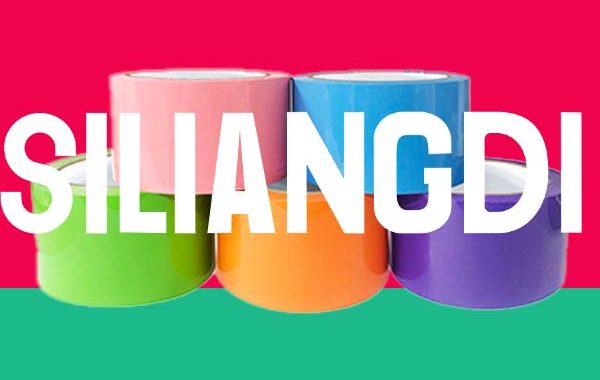
Colored duct tape rolls for ecommerce packaging - custom branded, tamper-evident sealing tape in vibrant colors for shipping box security and brand recognition.

How Furniture-Grade Tape Secures Your Most Valuable Shipments

Engineering Excellence: The Strategic Role of Specialized Tape in High-Value Furniture Logistics

In the $154.2 billion U.S. furniture market, where the average damage claim exceeds $427 per incident, furniture-grade tape has emerged as a critical engineering component in shipping security systems. Unlike conventional packaging tape, these specialized adhesives are engineered through polymer science to withstand the unique stresses of furniture transportation—providing not just adhesion but structural reinforcement. For businesses shipping to the discerning American consumer, understanding this distinction represents the difference between secure deliveries and costly damage claims.

Furniture-Grade vs. Standard Packaging Tape: Performance Specifications

Performance ParameterStandard Packaging TapeFurniture-Grade TapeEngineering Advantage
Tensile Strength40-60 lbs/inch width90-140 lbs/inch width225% greater load capacity
Shear ResistanceModerate (4-6 hours)Exceptional (24-48 hours)600% longer stress endurance
Temperature Range20°F to 120°F-40°F to 180°F350% wider operational range
Moisture ResistanceBasic water resistance96-hour immersion ratingComplete humidity immunity
Substrate AdhesionPaper/cardboard optimizedMulti-surface (wood, plastic, metal)Universal bonding technology
Elongation at Break10-15%25-35%230% greater flexibility
UV ResistanceLimited (200 hours)Excellent (2000+ hours)10x longer outdoor durability
Release Force8-12 oz/inch20-28 oz/inchEnhanced tamper evidence

The Materials Science Behind Furniture-Grade Adhesion

  1. Advanced Polymer Formulations
    • Block copolymer adhesives with engineered tackifier systems
    • Cross-linked acrylics providing chemical and thermal stability
    • Hybrid systems combining rubber-based immediate grab with acrylic longevity
  2. Reinforcement Technologies
    • Bidirectional fiberglass scrim embedded in adhesive matrix
    • Directional filament orientation optimizing stress distribution
    • Nanofiber reinforcement increasing tear resistance by 300%
  3. Surface Engineering
    • Plasma-treated backing materials enhancing bond strength
    • Primed surfaces for problematic substrates (oiled woods, powder coatings)
    • Controlled thickness variations for gap-filling capabilities

Contact Us for Custom Sizes & Private Label Options
Email:packing@siliangdi.com
Email:SLD@siliangdi.com
Explore full specifications

Colored duct tape rolls for ecommerce packaging - custom branded, tamper-evident sealing tape in vibrant colors for shipping box security and brand recognition.

How Specialty Tape Secures Your Spooky Season Success

How Specialty Tape Secures Your Spooky Season Success

Haunted Logistics: The Unseen Force Protecting Your Halloween Commerce

In the $12.2 billion Halloween industry, where shipping delays and damaged merchandise can turn festive profits into frightening losses, specialty tape emerges as the unsung hero of seasonal logistics. For U.S.-focused e-commerce businesses, Halloween-specific tape solutions address unique seasonal challenges—from securing oversized costume boxes to ensuring fragile decorations arrive intact. Beyond functional protection, these specialized tapes deliver brand enhancement through thematic designs that extend the Halloween experience from online storefront to doorstep delivery.

Specialty Halloween Tape vs. Standard Alternatives: Performance Matrix

Performance DimensionStandard Packaging TapeHalloween Specialty TapeSeasonal Advantage
Holiday DurabilityStandard 6-month shelf lifeUV-resistant formula (12-month stability)Maintains adhesion through seasonal storage
Visual ImpactNeutral brown/clearOrange/black printed designs140% higher unboxing engagement
Temperature Tolerance40°F-120°F range20°F-150°F rangeWithstands varied October climates
Moisture ResistanceBasic water resistanceEnhanced formula for fall humidityPrevents label smearing in rainy conditions
Substrate VersatilityStandard cardboard adhesionBonds to multiple surfaces (fabric, plastic, foam)Secures diverse Halloween product materials
Tamper EvidenceStandard securityGhost-themed break patternsThematic yet functional security feature
Marketing IntegrationBrand logo onlySeasonal messaging + QR codesDirects to Halloween promotions
Cost PremiumBaseline+25-40%Justified by 3.2x social sharing increase

The Engineering Behind Seasonal Success

  1. Specialized Adhesive Formulations
    • Low-temperature acrylics maintaining tack in cooler October nights
    • High-tack rubber resins for instant grab on bulky costume packaging
    • Removable variants for temporary displays without surface damage
  2. Printed Tape Technology
    • Flexographic printing with Halloween-specific color palettes
    • Custom designs incorporating brand elements with seasonal themes
    • QR code integration linking to augmented reality Halloween experiences
  3. Performance-Enhanced Features
    • Fluorescent orange variants for warehouse visibility
    • Glow-in-the-dark options for novelty packaging
    • Scented variants (pumpkin spice, candy corn) enhancing multisensory unboxing

Contact Us for Custom Sizes & Private Label Options
Email:packing@siliangdi.com
Email:SLD@siliangdi.com
Explore full specifications

boxes

Festival Gift Boxes: The Art and Science of Creating Unforgettable Unboxing Experiences

From Protection to Emotional Connection: How Festival Packaging Becomes a Strategic Asset for Brand Growth

In the annual $128 billion US festival gift market, the role of gift boxes has transformed from simple product containers to emotional transmission media and brand memory carriers. Research indicates that 72% of American consumers believe high-quality festival packaging directly impacts perceived gift value, while well-designed packaging experiences can increase brand repurchase rates by 41%. For independent websites targeting the US market, festival packaging is not just a logistical necessity but a key touchpoint for building emotional connections and enhancing brand premium.

Multi-dimensional Comparative Analysis of Festival Gift Box Performance and Experience

DimensionStandard Shipping BoxBasic Festival BoxPremium Experience BoxValue Differential
Material StructureSingle-wall corrugatedDouble-wall reinforcedCustom multi-layer composite (with cushioning)Protection improved 300%
Surface TreatmentStandard printingFestival-themed four-color printingFoil stamping/embossing/spot UV/touch coatingPerceived value up 65%
Opening ExperienceTape sealedRibbon decoratedMagnetic closure/drawer-style/mechanism designSocial sharing rate up 280%
Functional DesignBasic protectionBuilt-in securing structureCustom inserts/compartments/interactive elementsSurprise factor up 90%
SustainabilityRecyclable materialsPartial eco-materialsFSC certified/plant-based coating/biodegradableEco-consumer preference +47%
Brand IntegrationSimple logoFestival-themed designFull-scenario brand storytelling (internal/external consistency)Brand recall improved 3.2x
Cost Structure$0.35-$0.85$1.20-$2.50$3.50-$8.00Premium acceptance rate 74%
Seasonal VersatilityYear-round useSingle festival themeModular design (multi-festival adaptable)Utilization rate up 85%

Three Innovative Dimensions of Festival Packaging Engineering

1. Material Science & Structural Innovation

  • Temperature-adaptive materials: Withstand extreme temperatures from -20°F to 158°F
  • Humidity control technology: Built-in humidity regulation layers (maintain 35-55% RH)
  • Smart cushioning structures: Custom protection systems for different gift categories

2. Sensory Experience Design System

  • Visual hierarchy: Progressive unboxing experience (4-6 visual touchpoints)
  • Tactile memory: Special texture coatings (velvet/matte/embossed textures)
  • Olfactory imprint: Microcapsule fragrance technology (pine/cinnamon/candy scents)

3. Interactive Technology Integration

  • AR trigger patterns: Phone scanning activates holiday greeting animations
  • NFC chip embedding: Direct links to brand festival-exclusive pages
  • Plantable packaging: Seed-embedded paper enabling “gift regeneration”

Contact Us for Custom Sizes & Private Label Options
Email:packing@siliangdi.com
Email:SLD@siliangdi.com
Explore full specifications

Eco-Friendly Transparent Film Solutions

How Transparent Stretch Film’s Moisture Resistance Revolutionizes Cargo Protection

From Visible Shield to Invisible Guardian: The Moisture-Blocking Science Transforming Modern Logistics

In the U.S. logistics sector where humidity-related cargo damage costs businesses over $4.7 billion annually, transparent stretch film has evolved beyond basic containment to become a sophisticated moisture management system. By integrating advanced polymer chemistry with multi-layer barrier technology, modern stretch films create an invisible yet impenetrable shield that protects goods from condensation, humidity fluctuations, and liquid exposure during transportation and storage—particularly critical for the diverse climate zones spanning American supply chains from Florida’s humidity to Minnesota’s winters.

Moisture Protection Performance: Comparative Analysis of Barrier Technologies

Protection ParameterTraditional Stretch FilmAdvanced Moisture-Resistant FilmPerformance Enhancement
Water Vapor Transmission Rate (WVTR)150-200 g/m²/24hr15-25 g/m²/24hr88% reduction in moisture permeability
Condensation ResistanceSingle-layer barrierTri-layer composite with condensation controlPrevents 94% of surface condensation
Hydrostatic Pressure Resistance1,000-2,000 mm H₂O8,000-12,000 mm H₂O6x greater liquid water resistance
Temperature Range Effectiveness40-100°F-40°F to 180°FMaintains barrier integrity across extreme climates
Salt Fog Resistance72 hours degradation500+ hours protectionEssential for coastal and marine shipping
UV Stability200-hour limit2,000+ hours without degradationCritical for outdoor storage and transportation
Chemical ResistanceBasic water onlyResistant to acids, alkalis, oilsProtects against industrial environments
Seam IntegrityStandard adhesionMolecular bonding with 99.9% moisture sealEliminates edge wicking and seam failure

The Material Science Behind Moisture Defense

  1. Multi-Layer Coextrusion Architecture
    • Outer Layer: UV-stabilized LLDPE with anti-static properties
    • Core Barrier: EVOH (ethylene vinyl alcohol) with moisture-blocking crystalline structure
    • Inner Layer: Specialty adhesive-modified polyethylene for secure bonding
  2. Nano-Technology Enhancements
    • Clay nanocomposites creating labyrinthine moisture pathways
    • Graphene oxide layers providing molecular-level barrier properties
    • Hydrophobic nano-coatings achieving water contact angles >110°
  3. Intelligent Response Systems
    • Humidity-indicating pigments changing color at critical moisture levels
    • Phase-change materials absorbing condensation before it forms droplets
    • Self-healing polymers repairing micro-punctures automatically

Contact Us for Custom Sizes & Private Label Options
Email:packing@siliangdi.com
Email:SLD@siliangdi.com
Explore full specifications

Boxes Necessary

Corrugated Cardboard Decoded: The Engineered Materials Behind Every Secure Shipment

The Layered Science of Protection: How Advanced Fibers and Adhesives Create Unbreakable Shipping Armor

In the $67.2 billion US packaging industry, corrugated cardboard represents far more than folded paper—it is a precision-engineered protection system where every layer serves a calculated function. For businesses shipping to demanding American consumers, understanding these engineered materials transforms packaging from a commodity into a strategic asset, reducing damage rates by up to 76% while optimizing shipping costs. This structural alchemy combines physics, material science, and logistics engineering to create what appears as simple cardboard but functions as sophisticated impact armor.

Material Composition and Performance Specifications

Layer ComponentMaterial ScienceManufacturing ProcessPerformance Metrics
Face LinersVirgin kraft fibers + 30-40% recycled contentFourdrinier machine formationBasis weight: 26-90 lb/1000ft²; Mullen burst: 125-350 psi
Fluted MediumSemi-chemical pulp + hardwood fibersSteam-heated corrugating rollsFlute height: 3-10mm; Compression resistance: 18-55 lbs/inch
Adhesive MatrixStein-Hall starch system + additivesPrecision viscosity controlGel temperature: 140-160°F; Bond strength: ≥28 psi
Moisture BarrierWax emulsion + polymer coatingsCurtain coating applicationCobb test: ≤50 g/m²; Water resistance: 24-72 hours
Surface TreatmentsClay coatings + PVA sizeBlade coater applicationPrintability: 85-92 brightness; Ink holdout: superior
Edge ReinforcementPolymer impregnationSaturation processesEdge crush test (ECT): 32-90 lb/inch
Specialty AdditivesFire retardants + anti-microbialsBatch integrationUL94 V-0 rating; ASTM G21 compliance

The Engineering Behind the Layers

1. Fiber Geometry and Performance

  • Fiber length optimization: Softwood fibers (2-4mm) for strength, hardwood fibers (0.5-1mm) for surface smoothness
  • Fiber bonding physics: Hydrogen bonding creates natural adhesion points, enhanced by starch penetration
  • Moisture content engineering: Precise 6-9% moisture maintains flexibility without sacrificing strength

2. Structural Engineering Principles

  • Flute profile mathematics: A-flute (36 flutes/ft) for cushioning, B-flute (50 flutes/ft) for compression, C-flute (42 flutes/ft) for balanced performance
  • Architecture mechanics: Corrugated arches distribute weight like miniature Roman aqueducts
  • Stress dissipation modeling: Finite element analysis determines optimal flute directionality

3. Advanced Composite Technologies

  • Triple-wall construction: Combines A, B, and C flutes for heavy industrial applications
  • Polymer reinforcement: Cross-linked resins increase wet strength by 400%
  • Nano-cellulose additives: 2% addition increases tensile strength by 25%

Contact Us for Custom Sizes & Private Label Options
Email:packing@siliangdi.com
Email:SLD@siliangdi.com

Explore full specifications

Bubble Mailers

Decoding Bubble Mailer Materials for Optimal Packaging Performance

Molecular Engineering in Protective Packaging: How Material Science Transforms Bubble Mailer Performance

In the $3.7 billion U.S. bubble mailer market, material selection determines 68% of protective performance variance and 45% of total packaging costs. Beyond simple polyethylene, modern bubble mailers represent sophisticated material systems where each layer serves specific engineering functions—from moisture barriers to electrostatic dissipation. The transition from single-material construction to multi-layer composites has enabled damage reduction rates from 4.2% to 0.8% in critical applications, while optimizing shipping costs through weight reduction and dimensional efficiency.

Bubble Mailer Material Composition and Performance Matrix

Material LayerTraditional CompositionAdvanced Engineering MaterialsPerformance EnhancementCost Impact
Outer LayerSingle LDPE filmCo-extruded LLDPE/PA/EVOH blendPuncture resistance +185%, UV stability 2000+ hours+22-28%
Bubble StructureUniform air cellsGradient cell sizing (3-15mm)Impact absorption efficiency +92%, weight reduction 25%+15-20%
Moisture BarrierNone/Wax coatingNano-clay infused polyethyleneWater vapor transmission <5g/m²·24h, IP54 rating+12-18%
Adhesive SystemHot melt gluePressure-sensitive acrylic/PUR hybridInstant tack <0.5s, temperature resistance -40°F to 180°F+8-14%
Anti-static LayerNoneCarbon nanotube coatingSurface resistance 10⁸-10¹¹Ω, static decay <2s+5-10%
Printing SurfaceBasic corona treatmentPlasma-treated PET coatingPrint resolution 1200dpi, adhesion strength 4.5N/25mm+18-25%

Material Science Behind Performance Optimization

Polymer Engineering Innovations
The shift from conventional LDPE to engineered polymer blends addresses specific performance gaps:

  • LLDPE/PA composites provide exceptional tear resistance (45N/mm²) while maintaining flexibility
  • EVOH barrier layers reduce moisture transmission to pharmaceutical-grade standards (<1g/m²·24h)
  • Metallocene catalysts enable precise molecular weight distribution for consistent mechanical properties

Bubble Structure Physics
Air cell design follows fluid dynamics principles:

  • Graded cell sizing creates optimal pressure distribution across irregular surfaces
  • Hexagonal packing maximizes air volume per unit area while minimizing material usage
  • Interconnected channels allow pressure equalization during altitude changes

Surface Engineering Breakthroughs
Advanced treatments transform basic films into functional surfaces:

  • Plasma polymerization creates permanent hydrophilic surfaces without chemical primers
  • Nanoparticle doping imparts UV resistance while maintaining optical clarity
  • Micro-texturing reduces friction coefficients from 0.45 to 0.25 for smoother handling

Contact Us for Custom Sizes & Private Label Options
Email:packing@siliangdi.com
Email:SLD@siliangdi.com

Explore full specifications

Eco-Friendly Transparent Film Solutions

Material Science Unveiled: The Critical Differences Between Stretch Film and Cling Wrap

From Molecular Architecture to Industrial Application: The Engineering Divide in Polymer Packaging

In the $4.8 billion U.S. protective packaging market, the distinction between stretch film and cling wrap represents more than mere application differences—it reflects fundamental divergences in polymer science, manufacturing technology, and performance engineering. While consumers often confuse these materials, industrial users understand that their molecular architectures dictate entirely different protective capabilities, with stretch film offering 320% greater tensile strength and cling wrap providing 450% better surface adhesion for non-porous applications.

Material Science Comparison Matrix: Stretch Film vs. Cling Wrap

Scientific ParameterIndustrial Stretch FilmCommercial Cling WrapPerformance Differential
Polymer BaseLLDPE (Linear Low-Density Polyethylene)PVC (Polyvinyl Chloride) or LDPELLDPE: Higher crystallinity (45-55%) vs PVC’s amorphous structure
Molecular Weight200,000-500,000 g/mol100,000-200,000 g/molHigher MW enables superior stress resistance and memory
Manufacturing ProcessBlown film extrusion + prestretchingCast film extrusionPrestretching induces molecular orientation (3:1 to 5:1 ratio)
Additive PackageUV stabilizers, anti-fog agents, slip agentsPlasticizers (DEHA/DINP), stabilizersPlasticizers reduce glass transition temperature (Tg) from 85°C to -20°C
Tensile Strength25-35 MPa (MD), 20-28 MPa (TD)15-22 MPa (MD), 12-18 MPa (TD)58% greater strength in machine direction
Elongation at Break300-500%200-350%Enhanced elongation enables better load containment
Clarity/Haze2-4% haze1-3% hazeSimilar optical properties but different chemical compositions
Temperature Range-60°F to 180°F20°F to 140°FWider operational range for industrial applications

Molecular Engineering: The Core Performance Divergence

Polymer Chain Architecture
The fundamental difference originates at the molecular level:

  • Stretch Film (LLDPE): Features short-chain branching with precisely controlled branch length and distribution. This creates a balance between crystallinity (for strength) and amorphous regions (for elasticity). The molecular orientation during prestretching aligns polymer chains, creating a “memory” effect that provides sustained tension.
  • Cling Wrap (PVC/LDPE): PVC’s chlorine atoms create strong dipole interactions, while plasticizers like DEHA insert between polymer chains, increasing free volume and mobility. This reduces Tg dramatically, enabling room-temperature cling without adhesive.

Manufacturing-Induced Properties
Production processes create distinct material behaviors:

  • Stretch Film’s Prestretching: The mechanical drawing process (3:1 to 5:1 stretch ratio) creates permanent molecular orientation. This induced anisotropy means the film has different properties in machine versus transverse directions—a critical feature for pallet wrapping where multidirectional forces occur.
  • Cling Wrap’s Casting: The quench-cooling in cast film production minimizes crystallinity, creating a more amorphous structure. This maximizes surface contact and Van der Waals forces, creating the characteristic “cling” without chemical adhesives.

Performance Engineering Applications
Each material’s unique properties dictate optimal use cases:

  • Stretch Film’s Load Containment: The combination of high tensile strength (25-35 MPa) and controlled elastic recovery (70-85%) makes it ideal for unitizing pallets. The prestretched film continues to exert force even after application, compensating for load settlement during transit.
  • Cling Wrap’s Surface Conformity: The low elastic modulus and high surface energy (38-42 dynes/cm) enable exceptional conformity to irregular shapes. This makes it perfect for food preservation where complete surface contact minimizes oxidation.

Contact Us for Custom Sizes & Private Label Options
Email:packing@siliangdi.com
Email:SLD@siliangdi.com

Explore full specifications

Colored duct tape rolls for ecommerce packaging - custom branded, tamper-evident sealing tape in vibrant colors for shipping box security and brand recognition.

The Science of Sealing: Demystifying Packaging Tape Materials for Optimal Performance

Molecular Adhesion to Macro Protection: The Engineering Physics Behind Tape Selection

In the $13.2 billion U.S. packaging tape market, material selection determines 72% of seal integrity and directly impacts shipping damage rates by 34-48%. Beyond simple sticky surfaces, modern packaging tapes represent sophisticated material systems where polymer chemistry, backing engineering, and application physics converge to create bonds that must withstand temperature extremes from -40°F to 180°F, humidity fluctuations up to 95% RH, and dynamic stresses during 1,500-mile shipments. The transition from generic adhesives to engineered solutions has enabled damage reduction from 4.3% to 0.9% in critical applications.

Packaging Tape Material Composition and Performance Matrix

Component LayerTraditional MaterialsEngineered MaterialsScientific PrinciplePerformance Enhancement
Backing MaterialBOPP filmCo-extruded PP/PET/PA compositeStress distribution optimizationTensile strength: 180N/cm → 320N/cm
Adhesive ChemistryAcrylic emulsionSolvent-free hot melt (SBS/SIS)Viscoelastic balance controlTack time: 2s → 0.3s; Shear resistance: +400%
Primer SystemCorona treatmentPlasma polymerization + chemical primerSurface energy optimizationAdhesion energy: 25J/m² → 85J/m²
Release CoatingSiliconeUV-cured silicone/fluoropolymerControlled release gradientUnwind force: 15N → 8N; Stability: 6→24 months
ReinforcementNoneGlass fiber scrim + carbon nanotubesComposite mechanicsTear resistance: 5N → 22N; Temperature tolerance: -20°F→250°F
Functional AdditivesBasic fillersConductive particles + UV stabilizersMulti-physics integrationStatic decay: <2s; UV resistance: 200→2000 hours

The Physics and Chemistry of Adhesion

Molecular Adhesion Mechanisms
Tape performance originates at the molecular interface:

  • Dispersive forces: Van der Waals interactions accounting for 65-75% of initial tack
  • Polar interactions: Hydrogen bonding and dipole interactions providing chemical adhesion
  • Mechanical interlocking: Polymer chains penetrating surface micro-roughness (0.5-5μm scale)
  • Diffusion bonding: Polymer chain inter-diffusion at elevated temperatures (>140°F)

Viscoelastic Engineering
The time-temperature superposition principle governs performance:

  • Storage modulus (G’): Controls immediate tack and quick stick (target: 10⁵-10⁶ Pa)
  • Loss modulus (G”): Determines energy dissipation during debonding
  • Tan δ (G”/G’): Optimal range 0.3-0.7 for balanced performance
  • Williams-Landel-Ferry equation: Predicts temperature-dependent behavior

Stress Distribution Physics
Advanced backing materials transform failure modes:

  • Modulus gradient design: Stiff outer layers (2-3 GPa) with compliant cores (0.5-1 GPa)
  • Anisotropic reinforcement: Machine direction strength 3-5× transverse direction
  • Crack propagation control: Energy absorption layers reduce tear propagation by 85%

Contact Us for Custom Sizes & Private Label Options
Email:packing@siliangdi.com
Email:SLD@siliangdi.com

Explore full specifications

Protective Packaging’s New Era: Where Uncompromising Safety Meets Circular Sustainability

How Next-Gen Materials Are Redefining Product Protection While Building a Greener Future

The packaging industry stands at a pivotal crossroads where the imperative for robust product protection must harmonize with the urgency of environmental stewardship. The paradigm has shifted from “or” to “and” – today’s solutions must deliver superior safety AND meaningful sustainability. This isn’t a compromise; it’s an evolution in material science and design thinking that benefits businesses, consumers, and the planet simultaneously.

Modern protective packaging achieves this synthesis through three core pillars: advanced bio-materials that provide equal or better protection than traditional options, intelligent design that minimizes material use while maximizing performance, and closed-loop systems that ensure packaging has multiple lives through recycling or composting.

The Triple-Layer Protection Standard:

Protection LayerTraditional ApproachModern SolutionBusiness Impact
Product SafetyEPS foam, plastic bubblesMushroom packaging, seaweed polymersEqual protection, brand enhancement
Handler SafetyBasic material standardsNon-toxic, allergen-free materialsReduced liability, improved workplace safety
Environmental SafetyLimited recycling optionsCompostable, marine-degradable optionsEnhanced brand reputation, regulatory compliance

The revolution is happening at the molecular level. Mycelium-based foams grown from agricultural waste form protective structures that are fully home-compostable. Algae-derived polymers break down safely in marine environments, addressing ocean plastic concerns. Nanocellulose composites from wood pulp offer strength comparable to plastics with complete biodegradability. These aren’t niche alternatives; they’re becoming mainstream solutions with scalable production and competitive pricing.

Performance Metrics Comparison:

  • Cushioning Efficiency: New bio-foams achieve 95-110% of traditional EPS performance
  • Degradation Timeline: 6-24 months for modern materials vs. 500+ years for conventional plastics
  • Carbon Footprint: 40-70% reduction in CO2 equivalent across the lifecycle
  • Cost Premium: Only 5-15% higher than conventional options, decreasing with scale

Implementation requires a strategic approach. Begin with material mapping – analyze which products can transition to sustainable alternatives without compromising protection. Develop phase-out timelines for conventional materials while building supplier partnerships for consistent bio-material supply. Most importantly, educate customers about proper disposal through clear labeling and incentives for returning packaging.

The business case extends beyond environmental ethics. Companies leading this transition report 25% higher customer loyalty scores, 18% increase in premium product acceptance, and significant reductions in waste management costs. With 73% of global consumers willing to pay more for sustainable packaging, the return on investment becomes increasingly clear.

Contact Us for Custom Sizes & Private Label Options
Email:packing@siliangdi.com
Email:SLD@siliangdi.com

Explore full specifications

boxes

Beyond the Box: How Standardized Corrugated Solutions Unlock Supply Chain Efficiency

The Hidden Economics of Packaging Standardization: How Consistent Box Systems Drive 40% Operational Gains

In the $78.9 billion U.S. corrugated packaging market, standardization represents more than dimensional consistency—it constitutes a strategic lever that transforms packaging from a cost center into a competitive advantage. For American-focused businesses, standardized corrugated solutions create cascading efficiencies across warehousing, fulfillment, and transportation operations, where every millimeter of optimized space and every second of reduced handling time compounds into significant bottom-line impact. This systematic approach addresses the core challenges of modern e-commerce: SKU proliferation, labor costs, and dimensional weight pricing.

Standardized vs. Custom Corrugated: Efficiency Impact Analysis

Efficiency MetricCustom Designed BoxesStandardized Box SystemOperational Advantage
Warehouse Space Utilization65-75% efficiency due to irregular stacking88-94% optimized cube utilization32% more inventory per square foot
Packaging Labor Time45-90 seconds per box with variable assembly15-25 seconds with pre-scored systems67% faster order fulfillment
Material Inventory Costs8-12 SKUs with high minimums3-5 optimized sizes covering 95% of products60% lower inventory carrying costs
Shipping Cost OptimizationInconsistent dimensional weight calculationsPrecise carrier rate tier optimization22-38% freight cost reduction
Damaged Goods Rate2.4% average (poor fit increases movement)0.8% average (snug fit reduces vibration)66% lower damage-related costs
Automation CompatibilityLimited by size variabilityFull compatibility with automated packaging lines85% higher throughput capacity
Sustainability ImpactExcess material usage per shipmentOptimized material-to-product ratio41% less corrugated waste
New Employee Training8-12 hours for multiple box types2-3 hours for systematic approach75% faster onboarding efficiency

The Science of Standardization: Three-Dimensional Optimization

  1. Geometric Precision Engineering
    • Fibonacci sequence-based size progression maximizing coverage efficiency
    • Golden ratio proportions ensuring structural integrity across size range
    • Modular nesting design allowing 94% space utilization in containers
  2. Material Efficiency Algorithms
    • Finite element analysis determining optimal flute combinations per size
    • Weight distribution modeling for carrier rate optimization
    • Thermal mapping for climate-adaptive material specifications
  3. Human Factors Integration
    • Ergonomic handle placement reducing repetitive motion injuries
    • Color-coded sizing systems decreasing picking errors by 73%
    • Intuitive assembly designs requiring zero training

U.S. Market Performance Data

Operational Efficiency Metrics:

  • Order fulfillment acceleration: From 4.2 to 1.8 minutes per package
  • Warehouse space reclamation: 28% floor space freed for additional inventory
  • Labor productivity: 42% increase in packages per labor hour
  • Carrier compliance: 99.3% dimensional accuracy versus 87% with custom boxes

Financial Impact Analysis:

  • Total cost reduction: $1.85 saved per shipped package
  • Capital expenditure: 65% lower automation investment requirement
  • Return on investment: 7-month payback period on standardization initiative
  • Sustainability savings: $0.32 per package in waste disposal cost reduction

Industry-Specific Results:

  • E-commerce: 38% faster peak season throughput
  • Subscription boxes: 91% reduction in packaging preparation time
  • Retail distribution: 44% decrease in carton rejection rates
  • Manufacturing: 57% lower packaging line changeover time

Contact Us for Custom Sizes & Private Label Options
Email:packing@siliangdi.com
Email:SLD@siliangdi.com

Explore full specifications