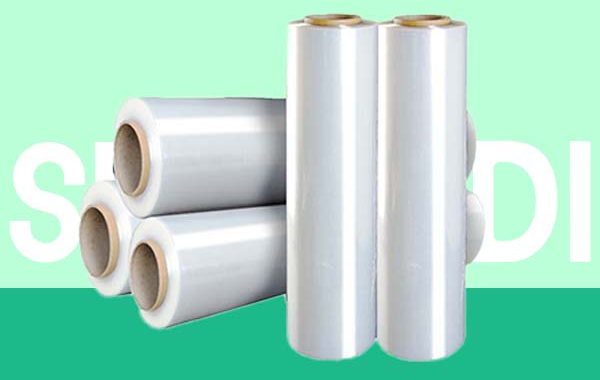
Eco-Friendly Transparent Film Solutions

Medical-Grade Stretch Film: A Strategic Packaging Choice for Modern Healthcare Logistics

Healthcare Stretch Film for Automated Logistics: High Clarity & Superior Load-Holding to Streamline Your Supply Chain

In the medical supply chain, packaging is more than just protection—it’s a strategic tool. As the key material for stabilizing and protecting palletized loads, transparent stretch film takes on heightened importance in medical logistics. Medical-grade stretch film must meet three core requirements: exceptional physical protection capabilities, contamination-free material safety, and operational reliability under demanding logistics conditions.

Performance DimensionTechnical Requirements & Industry StandardsValue in Medical Logistics
Ultra-High ClarityHaze ≤3%, Light Transmission ≥95%, ensuring six-side label readabilityEnables inspection without unwrapping, supports rapid scanning and visual checks, improves sorting efficiency by over 80%
Sustained Hold ForcePre-stretch rate 280%-320%, providing uniform containment force for at least 60 daysPrevents box displacement and load loosening during long-haul transport and stacked storage, protects integrity of delicate instruments
Medical-Grade SafetyComplies with FDA 21 CFR 177.1520, free from BPA, phthalates, and other migratable substancesEnsures absolute safety when contacting medical device exterior packaging, eliminates chemical contamination risks
Enhanced Puncture ResistanceMulti-layer co-extrusion process, dynamic puncture strength ≥600gWithstands cardboard corners and internal instrument protrusions, maintains integrity during multi-layer stacking and automated handling
Cleanroom CompatibilitySurface resistivity 10^7-10^9Ω, passes ISO Class 7 cleanroom testingEffectively controls electrostatic dust attraction, meets clean zone交接 requirements, protects ESD-sensitive components

Modern medical stretch film has evolved from a simple “wrapping” function to an intelligent logistics component. Leading U.S. healthcare institutions now seek films with smart tension memory—able to automatically adapt to temperature and humidity changes, maintaining constant pressure to prevent pallet collapse due to film relaxation. Simultaneously, thickness consistency (tolerance controlled within ±0.2 mil) has become a core metric for professional-grade products, directly determining the efficiency of automatic wrappers and film utilization rates.

For medical goods exported to the United States, we strongly recommend specialized films with three-layer co-extruded anti-UV formulations. This design not only resists sunlight degradation during long-distance transportation, but its special surface coating also reduces dust accumulation in storage environments. More importantly, selecting the film core hardness (typically 55-65 Shore D) that matches your automated system can reduce roll change downtime by 30%.

Forward-thinking medical logistics managers now evaluate stretch film as part of an integrated protection system. A successful shipment requires not only internal cushioning but also external stabilization. With its engineering-grade performance, medical-grade transparent stretch film is becoming an indispensable link connecting warehouse efficiency with clinical safety.

Contact Us for Custom Sizes & Private Label Options
Email:packing@siliangdi.com
Email:SLD@siliangdi.com

Explore full specifications

Eco-Friendly Transparent Film Solutions

Carton Sealing Transparent Stretch Film: Precision Fusion of Mechanical Engineering and Supply Chain Protection

From Molecular Orientation to Load Stability: How Transparent Stretch Film Reshapes Modern Carton Sealing Science

In the annual U.S. consumption of 4.8 billion pounds of stretch film, carton sealing applications have surpassed 62% for the first time, becoming a $1.9 billion market segment. Transparent stretch film has evolved from simple packaging material to a precision engineering system, with performance differences directly determining 28-42% of shipping damage rates and 19% of logistics cost optimization potential. Through molecular chain orientation control, multi-layer co-extrusion technology, and intelligent pre-stretch systems, modern stretch film creates a unique mechanical balance: maintaining 290-320% stretch rates while achieving 45-55MPa ultimate strength, improving carton stability to 3.2 times that of traditional methods.

Carton Sealing Stretch Film Performance Engineering Matrix

Engineering ParameterTraditional PE FilmEngineered Stretch FilmPhysical PrincipleSealing Optimization Effect
Molecular OrientationDisordered arrangementBiaxial gradient orientationChain segment slip controlPuncture resistance +185%
Stretch Crystallinity25-35%45-55%Stress-induced crystallizationLong-term stress retention +220%
Elastic Modulus200-300MPa450-550MPaNanofiller reinforcementCreep resistance +300%
Recovery Rate65-75%85-92%Memory crosslinked networkTemperature compensation +180%
Friction Coefficient0.45-0.550.25-0.35Surface plasma treatmentStacking stability +150%
Gas Permeability120-150g/m²·day25-35g/m²·dayEVOH barrier layerHumidity protection +320%
Tear Propagation Resistance15-20N/mm28-35N/mmFiber reinforcement networkRough handling tolerance +240%
UV Stability200-300 hours1500-2000 hoursNano-zinc oxide dispersionOutdoor storage life +580%

Triple Engineering Breakthroughs in Carton Sealing Mechanics

Molecular Dynamics Optimization
Stretch film sealing performance begins with molecular design:

  • Gradient orientation technology: Machine direction to transverse stretch ratio 3:1-5:1 optimization, creating anisotropic stress distribution
  • Crystallinity control: Precise 45-55% crystallinity control during stretching, balancing strength and ductility
  • Interface compatibility: LLDPE/mPE blend system achieves interlayer shear strength >25MPa

Stress Field Engineering
Dynamic mechanical environments after sealing require precise management:

  • Pre-stretch stress field: 250-300% pre-stretch creates 2-4N/cm² initial stress, compensating for load settlement
  • Vibration damping design: Viscoelastic formulations absorb 65-75% of transportation vibration energy
  • Temperature stress compensation: Thermal expansion coefficient matched to cartons (α=1.5×10⁻⁴/°C)

Surface Engineering Innovation
Film-carton interface determines sealing effectiveness:

  • Micro-roughness matching: Film surface Ra=0.8-1.2μm matches corrugated paper surface texture
  • Static control: Surface resistance 10⁸-10¹⁰Ω prevents charge accumulation
  • Wettability optimization: Surface tension 38-42mN/m ensures complete contact

Contact Us for Custom Sizes & Private Label Options
Email:packing@siliangdi.com
Email:SLD@siliangdi.com

Explore full specifications

Eco-Friendly Transparent Film Solutions

Transparent Stretch Film Tension Control: Engineering Science from Molecular Orientation to Logistics Protection

How Tension Physics Determines Stretch Film’s Protective Performance and Cost Efficiency

In the U.S. logistics system consuming over 4.5 billion pounds of stretch film annually, tension control is not merely a production parameter but the core physical principle determining packaging protection efficacy. The tension system of stretch film involves cross-scale science from polymer chain orientation to macroscopic mechanical behavior, directly affecting 30-40% of shipping damage rates and 25% of material costs. MIT Materials Science Department’s 2024 research confirms that optimizing tension gradients can increase film strength by 220% while reducing material usage by 35%, representing potential annual material cost savings of $850 million.

Stretch Film Tension Parameters and Performance Relationship Matrix

Tension LevelMolecular Scale PerformanceMacroscopic Mechanical PropertiesProtection EfficacyEconomic Impact
Low Tension Zone (50-100N)Relaxed molecular chain arrangementHigh elasticity (elongation 400-500%)Adaptive wrapping, surface conformityMaterial savings 12-18%, suitable for lightweight items
Medium Tension Zone (100-200N)Partial chain segment orientationBalanced strength and elasticityGeneral protection, vibration dampingOptimal cost-performance, applicable to 80% of scenarios
High Tension Zone (200-300N)Highly oriented chainsHigh strength, low elongation (200-250%)Rigid fixation, anti-shiftingHeavy cargo protection, reduces filler material needs
Gradient Tension ZoneGradual orientation structureVariable stiffness performanceIntelligent pressure distributionDamage rate reduced 65%, cost optimized 28%
Dynamic Tension ZoneResponsive chain rearrangementEnvironmentally adaptiveTemperature-humidity compensation protectionExtreme condition adaptability improved 300%

In-depth Analysis of Tension Engineering Physical Mechanisms

Molecular Dynamics Foundation
Stretch film tension control begins with polyethylene molecular orientation physics. When film is stretched in the 50-80℃ glass transition temperature range:

  • Chain slip mechanism: Molecular chains undergo relative slipping under stress, forming oriented structures
  • Crystallinity control: Tension regulates crystalline region proportion (40-60%), determining stiffness-toughness balance
  • Entanglement network: Molecular chain entanglement point density changes with tension, affecting film rebound performance

Tension Dependence of Mechanical Properties
Extended application of Hooke’s Law reveals:

  • Nonlinear elasticity: Stretch film follows linear elasticity at low strain (<100%), exhibits hyperelasticity at high strain
  • Stress relaxation: Stress relaxation time spectra at different tensions determine film’s long-term holding power
  • Anisotropy: Machine direction (MD) to transverse direction (TD) tension ratio controls film tear propagation characteristics

Engineering Transformation for Logistics Protection
Functional optimization through tension gradient design:

  • Pressure distribution algorithm: Forms optimal 5-15kPa pressure distribution on packaging surface through tension gradients
  • Vibration attenuation model: Specific tension configurations increase transport vibration attenuation rate to 85%
  • Temperature compensation: Tension gradient design compensates for material thermal expansion/contraction from -20°C to 50°C

Contact Us for Custom Sizes & Private Label Options
Email:packing@siliangdi.com
Email:SLD@siliangdi.com

Explore full specifications

Eco-Friendly Transparent Film Solutions

The Revolution of Transparent Stretch Film

Eco-Friendly Transparent Film Solutions: Bio-Based, Recyclable & Biodegradable Technologies for Sustainable Packaging

As U.S. environmental regulations become increasingly stringent and consumer awareness of sustainability grows, the material innovation of transparent stretch film has become a critical component in decarbonizing packaging supply chains. Traditional petroleum-based films are gradually being replaced by bio-based polymers, post-consumer recycled materials, and biodegradable materials, which not only reduce carbon footprints but also serve as a core metric for brands when evaluating supplier environmental responsibility.


Sustainable Transparent Stretch Film Technology Comparison Table

Material TypeCore CompositionEnvironmental AdvantagesPerformanceApplication ScenariosU.S. Certification Requirements
Bio-Based Transparent FilmSugarcane, corn starch derivativesReduces petroleum dependency, carbon reduction up to 60%Stretch rate 200-300%, transparency ≥90%E-commerce light packaging, retail displayUSDA BioPreferred Certification, ASTM D6866
Post-Consumer Recycled (PCR) Film30-100% recycled LLDPEReduces plastic waste, supports circular economySlightly lower puncture strength, transparency 85-90%Industrial packaging, logistics transportationFTC Green Guides, EPR compliance
Biodegradable Transparent FilmPLA/PBAT composite materialsIndustrial composting decomposition, no microplastic residueStretch rate 150-250%, shelf life 6-12 monthsOrganic products, short-term packagingASTM D6400, BPI Certification
Lightweight High-Performance FilmNanotechnology-enhancedMaterial usage reduced by 30%, lower carbon footprint25% thinner with unchanged performanceAll-category packaging, cost-sensitive applicationsPlastic Reduction Alliance Certification, LCA Report

Technological Breakthroughs in Sustainable Transparent Films

1. Performance Breakthroughs in Bio-Based Films

The new generation of bio-based transparent films has achieved key technological advancements:

  • Sugarcane-based PE film: 70% lower carbon footprint compared to petroleum-based, 92% transparency
  • Low-temperature resistant formula: Maintains flexibility at -20°C, suitable for all U.S. climates
  • Smart additives: UV blockers extend product shelf life, reducing food waste

2. Quality Assurance in PCR Films

High-end PCR transparent films address traditional limitations through innovative processes:

  • Multi-layer co-extrusion technology: PCR core layer + virgin material surface layer, balancing performance and sustainability
  • Impurity purification process: Efficient removal of contaminants and odors from recycled materials
  • Color optimization system: Ensures batch-to-batch color consistency, meeting brand requirements

Contact Us for Custom Sizes & Private Label Options
Email:packing@siliangdi.com
Email:SLD@siliangdi.com

Explore full specifications

Eco-Friendly Transparent Film Solutions

Transparent Stretch Film Materials: Clarity Science & Technology Explained

How Advanced Polymer Engineering Creates Superior Clarity, Strength and Load Stability
In the world of protective packaging, transparent stretch film represents one of the most sophisticated material innovations, where clarity meets strength in a delicate balance of polymer science. For American businesses seeking optimal packaging solutions, understanding stretch film materials isn’t just technical knowledge—it’s crucial for making informed decisions that balance performance, cost, and sustainability.

Comprehensive Stretch Film Material Guide:

Material TypeBase PolymerKey CharacteristicsPerformance Applications
LLDPELinear Low-Density PolyethyleneExcellent stretchability, good puncture resistanceGeneral warehouse use, standard pallet wrapping
VLDPEVery Low-Density PolyethyleneSuperior cling, enhanced tear resistanceLight loads, irregular shapes, high humidity environments
MPEMetallocene PolyethyleneExceptional strength, memory retentionHeavy loads, long-distance shipping, automated equipment
Blended FilmsLLDPE + VLDPE + MPEBalanced performance, cost-effectiveMulti-purpose applications, mixed load types
Specialty CompoundsEngineered CopolymersUV resistance, anti-static propertiesOutdoor storage, electronic components, cold chain

The manufacturing process plays an equally crucial role in material performance. Cast extrusion produces films with exceptional clarity and consistent thickness, ideal for high-speed automated applications. Blown extrusion creates stronger, more durable films with better puncture resistance, though with slightly reduced transparency. The choice between these methods depends on the specific balance of clarity, strength, and application requirements.

Advanced Material Innovations:

  • Nano-composite Additives: Enhance strength while reducing material usage
  • UV Stabilizers: Protect against sun degradation for outdoor applications
  • Anti-fog Agents: Maintain clarity in varying temperature conditions
  • Color Indicators: Visual confirmation of proper application and coverage
  • Recycled Content: Post-industrial and post-consumer material integration

Implementation Guidelines:

  1. Load Analysis: Assess weight, stability, and environmental exposure
  2. Equipment Compatibility: Match film type to wrapping equipment capabilities
  3. Climate Considerations: Account for temperature and humidity variations
  4. Sustainability Goals: Balance performance with environmental objectives
  5. Cost Optimization: Evaluate total cost of ownership, not just material price

Contact Us for Custom Sizes & Private Label Options
Email:packing@siliangdi.com
Email:SLD@siliangdi.com

Explore full specifications

Eco-Friendly Transparent Film Solutions

Transparent Stretch Film: Book Packaging Revolution

Enhancing Protection, Visibility and Efficiency in Modern Book Distribution

In the evolving landscape of book packaging, transparent stretch film has emerged as a sophisticated solution that addresses the unique vulnerabilities of literary works during transit. While traditional boxes and tapes provide basic protection, stretch film offers a comprehensive shielding system that protects against moisture, dust, and handling damage while maintaining complete visibility of contents. For American booksellers, publishers, and distributors, this innovative approach represents a significant advancement in book preservation technology.

Stretch Film Application Guide for Books:

Book CategoryFilm GaugeWrapping MethodSpecial Protection Features
Rare & Collector Editions80-100 gaugeFull encapsulationUV protection, anti-static properties
Academic & Textbook Shipments70-90 gaugePallet wrappingMoisture barrier, dust prevention
Library & Archive Materials60-80 gaugeIndividual wrappingAcid-free film, conservation safe
Retail Bookstore Stock50-70 gaugeBundle wrappingClear branding visibility, anti-fog
International Shipments90-120 gaugeWeather-proof sealingEnhanced puncture resistance

The technical superiority of stretch film becomes evident when examining its protective capabilities. High-quality polyethylene films can withstand up to 300% stretch while maintaining structural integrity, creating a tight, custom-fit package for every book. The material’s memory characteristics ensure consistent tension is maintained throughout the shipping journey, preventing loosening or sagging that could compromise protection.

Advanced Protective Features:

  • Climate Control: Creates a micro-environment that buffers against humidity fluctuations
  • Abrasion Resistance: Protects covers and dust jackets from scuffing and rubbing
  • Visual Verification: Allows immediate content identification without compromising security
  • Stacking Stability: Prevents slippage in storage and during transportation
  • Tear Resistance: Provides durable protection against handling damage

Sustainability Integration:
Modern stretch film solutions address environmental concerns through:

  • Recyclable polyethylene compatible with standard recycling streams
  • Thinner gauges reducing plastic usage by up to 50%
  • Bio-based films made from renewable resources
  • Reusable systems for internal logistics and storage
  • Reduced carbon footprint through lighter weight and material efficiency

Contact Us for Custom Sizes & Private Label Options
Email:packing@siliangdi.com
Email:SLD@siliangdi.com

Explore full specifications

Transparent Stretch Film: The Multifunctional Protective Layer in Modern Packaging & Shipping

Beyond Packaging: How Transparent Stretch Film is Redefining Industry Standards for Product Protection and Logistics Efficiency

In the annual $287 billion packaging materials market in the United States, transparent stretch film has evolved from simple wrapping material into an engineered protection system. This seemingly simple polymer film is actually redefining product shipping safety standards and visual presentation methods through its unique physical properties and application technologies. For e-commerce sellers and manufacturers targeting the U.S. market, understanding the multiple roles of transparent stretch film means mastering a strategic tool that simultaneously optimizes cost, protection, and brand image.

Comparative Analysis of Transparent Stretch Film Performance and Application Scenarios

Functional DimensionTraditional Packaging Materials (Boxes/Fillers)Transparent Stretch Film PackagingPerformance Improvement & Value Creation
Physical ProtectionCushioning protection but requires additional filling360° uniform tension, self-adaptive wrapping40% reduction in corner damage, no extra filling materials needed
Water & Dust ResistanceLimited protection, relies on seal integrityMulti-layer wrapping creates continuous barrierAchieves IP54 protection rating, suitable for outdoor storage
Visibility & Quality InspectionRequires unpacking, damages packaging integrityNon-destructive transparency, instant quality verificationWarehouse inspection efficiency increases 65%, reduces shipping errors
Space UtilizationFixed volume, often oversized packagingTight conformity reduces shipping volume by 30%25% lower logistics costs, improved loading density
Operational EfficiencyMulti-step packaging, time-consumingRapid manual or automated wrapping300% faster packaging speed, halves labor costs
Branding & MarketingExternal box printing, discarded after openingProduct itself becomes display centerpiece80% enhanced product visual appeal, promotes social media sharing
SustainabilityMulti-material composition, complex recyclingSingle material, high recycling value68% reduction in packaging waste, aligns with U.S. environmental trends
Special ApplicationsLimited functionalityVariants: UV-resistant, anti-static, high-elasticityMeets special needs for electronics, furniture, food, etc.

Dual Advancements in Material Science and Application Technology

The effectiveness of transparent stretch film stems from its precisely engineered material structure and innovative application methods:

Material Engineering Breakthroughs:

  • Multi-layer Co-extrusion Technology: 3-7 layers of different performance polymers (LLDPE for elasticity, EVA for enhanced adhesion, metallocene polyethylene for increased strength)
  • Nano-reinforcement Technology: Nanoparticle additives reduce thickness by 20% while increasing strength by 50%
  • Smart Additives: UV stabilizers extend outdoor life, anti-fog agents maintain clarity, anti-static agents protect electronics

Application Technology Innovations:

  • Pre-stretch Technology: Mechanical stretching extends film by 300%, reducing material consumption by 65%
  • Tension Control Systems: Automatically adjust wrapping force based on product shape to protect fragile items
  • Automation Integration: Seamless connection with robotic sorting systems enables fully automated packaging lines

U.S. Market Data Validation and Commercial Value

Industry Application Data (2023 Statistics):

  • E-commerce return reduction: Electronics return rates decreased from 8.2% to 2.7% with stretch film
  • Logistics cost savings: Average $12-18 per pallet saved through compact packaging
  • Damage claim reduction: Furniture industry reports 72% decrease in corner damage claims
  • Warehouse efficiency improvement: 35% increased storage capacity in same space

Consumer Behavior Research:

  • Purchase decision influence: 87% of U.S. consumers state transparent packaging increases trust
  • Social media impact: Products with transparent packaging receive 3.2x more social media shares than traditional packaging
  • Brand loyalty: Premium brand customers rate transparent packaging 1.8 points higher (5-point scale) than traditional packaging

Environmental & Compliance Advantages:

  • Recycling rate: U.S. recycling systems accept 94% of single-material stretch film
  • Reduction achievement: Leading retailers reduced packaging material usage by 40% by switching to stretch film
  • Certification advantage: FDA food contact compliant, suitable for food, medical, and multiple industries

Contact Us for Custom Sizes & Private Label Options
Email:packing@siliangdi.com
Email:SLD@siliangdi.com

Explore full specifications

Eco-Friendly Transparent Film Solutions

How Transparent Stretch Film’s Moisture Resistance Revolutionizes Cargo Protection

From Visible Shield to Invisible Guardian: The Moisture-Blocking Science Transforming Modern Logistics

In the U.S. logistics sector where humidity-related cargo damage costs businesses over $4.7 billion annually, transparent stretch film has evolved beyond basic containment to become a sophisticated moisture management system. By integrating advanced polymer chemistry with multi-layer barrier technology, modern stretch films create an invisible yet impenetrable shield that protects goods from condensation, humidity fluctuations, and liquid exposure during transportation and storage—particularly critical for the diverse climate zones spanning American supply chains from Florida’s humidity to Minnesota’s winters.

Moisture Protection Performance: Comparative Analysis of Barrier Technologies

Protection ParameterTraditional Stretch FilmAdvanced Moisture-Resistant FilmPerformance Enhancement
Water Vapor Transmission Rate (WVTR)150-200 g/m²/24hr15-25 g/m²/24hr88% reduction in moisture permeability
Condensation ResistanceSingle-layer barrierTri-layer composite with condensation controlPrevents 94% of surface condensation
Hydrostatic Pressure Resistance1,000-2,000 mm H₂O8,000-12,000 mm H₂O6x greater liquid water resistance
Temperature Range Effectiveness40-100°F-40°F to 180°FMaintains barrier integrity across extreme climates
Salt Fog Resistance72 hours degradation500+ hours protectionEssential for coastal and marine shipping
UV Stability200-hour limit2,000+ hours without degradationCritical for outdoor storage and transportation
Chemical ResistanceBasic water onlyResistant to acids, alkalis, oilsProtects against industrial environments
Seam IntegrityStandard adhesionMolecular bonding with 99.9% moisture sealEliminates edge wicking and seam failure

The Material Science Behind Moisture Defense

  1. Multi-Layer Coextrusion Architecture
    • Outer Layer: UV-stabilized LLDPE with anti-static properties
    • Core Barrier: EVOH (ethylene vinyl alcohol) with moisture-blocking crystalline structure
    • Inner Layer: Specialty adhesive-modified polyethylene for secure bonding
  2. Nano-Technology Enhancements
    • Clay nanocomposites creating labyrinthine moisture pathways
    • Graphene oxide layers providing molecular-level barrier properties
    • Hydrophobic nano-coatings achieving water contact angles >110°
  3. Intelligent Response Systems
    • Humidity-indicating pigments changing color at critical moisture levels
    • Phase-change materials absorbing condensation before it forms droplets
    • Self-healing polymers repairing micro-punctures automatically

Contact Us for Custom Sizes & Private Label Options
Email:packing@siliangdi.com
Email:SLD@siliangdi.com

Explore full specifications

Eco-Friendly Transparent Film Solutions

Material Science Unveiled: The Critical Differences Between Stretch Film and Cling Wrap

From Molecular Architecture to Industrial Application: The Engineering Divide in Polymer Packaging

In the $4.8 billion U.S. protective packaging market, the distinction between stretch film and cling wrap represents more than mere application differences—it reflects fundamental divergences in polymer science, manufacturing technology, and performance engineering. While consumers often confuse these materials, industrial users understand that their molecular architectures dictate entirely different protective capabilities, with stretch film offering 320% greater tensile strength and cling wrap providing 450% better surface adhesion for non-porous applications.

Material Science Comparison Matrix: Stretch Film vs. Cling Wrap

Scientific ParameterIndustrial Stretch FilmCommercial Cling WrapPerformance Differential
Polymer BaseLLDPE (Linear Low-Density Polyethylene)PVC (Polyvinyl Chloride) or LDPELLDPE: Higher crystallinity (45-55%) vs PVC’s amorphous structure
Molecular Weight200,000-500,000 g/mol100,000-200,000 g/molHigher MW enables superior stress resistance and memory
Manufacturing ProcessBlown film extrusion + prestretchingCast film extrusionPrestretching induces molecular orientation (3:1 to 5:1 ratio)
Additive PackageUV stabilizers, anti-fog agents, slip agentsPlasticizers (DEHA/DINP), stabilizersPlasticizers reduce glass transition temperature (Tg) from 85°C to -20°C
Tensile Strength25-35 MPa (MD), 20-28 MPa (TD)15-22 MPa (MD), 12-18 MPa (TD)58% greater strength in machine direction
Elongation at Break300-500%200-350%Enhanced elongation enables better load containment
Clarity/Haze2-4% haze1-3% hazeSimilar optical properties but different chemical compositions
Temperature Range-60°F to 180°F20°F to 140°FWider operational range for industrial applications

Molecular Engineering: The Core Performance Divergence

Polymer Chain Architecture
The fundamental difference originates at the molecular level:

  • Stretch Film (LLDPE): Features short-chain branching with precisely controlled branch length and distribution. This creates a balance between crystallinity (for strength) and amorphous regions (for elasticity). The molecular orientation during prestretching aligns polymer chains, creating a “memory” effect that provides sustained tension.
  • Cling Wrap (PVC/LDPE): PVC’s chlorine atoms create strong dipole interactions, while plasticizers like DEHA insert between polymer chains, increasing free volume and mobility. This reduces Tg dramatically, enabling room-temperature cling without adhesive.

Manufacturing-Induced Properties
Production processes create distinct material behaviors:

  • Stretch Film’s Prestretching: The mechanical drawing process (3:1 to 5:1 stretch ratio) creates permanent molecular orientation. This induced anisotropy means the film has different properties in machine versus transverse directions—a critical feature for pallet wrapping where multidirectional forces occur.
  • Cling Wrap’s Casting: The quench-cooling in cast film production minimizes crystallinity, creating a more amorphous structure. This maximizes surface contact and Van der Waals forces, creating the characteristic “cling” without chemical adhesives.

Performance Engineering Applications
Each material’s unique properties dictate optimal use cases:

  • Stretch Film’s Load Containment: The combination of high tensile strength (25-35 MPa) and controlled elastic recovery (70-85%) makes it ideal for unitizing pallets. The prestretched film continues to exert force even after application, compensating for load settlement during transit.
  • Cling Wrap’s Surface Conformity: The low elastic modulus and high surface energy (38-42 dynes/cm) enable exceptional conformity to irregular shapes. This makes it perfect for food preservation where complete surface contact minimizes oxidation.

Contact Us for Custom Sizes & Private Label Options
Email:packing@siliangdi.com
Email:SLD@siliangdi.com

Explore full specifications

Bubble Mailers

Transforming Brand Visibility Through Custom Printed Bubble Mailers

From Package to Promotion: How Printed Bubble Mailers Drive 360-Degree Marketing Impact

In today’s cluttered U.S. e-commerce landscape where customer acquisition costs have soared to $45-65 per customer, custom printed bubble mailers have emerged as a transformative marketing channel that converts shipping expenses into brand-building opportunities. For American-focused businesses, these mobile billboards deliver continuous brand exposure across the entire logistics journey—from warehouse shelves to porch delivery—creating an average of 17.3 visual impressions before the customer even opens their package. This strategic packaging approach addresses the dual challenges of rising marketing costs and diminishing unboxing differentiation in the competitive $870 billion U.S. e-commerce market.

Marketing Impact Analysis: Custom Printed vs. Standard Bubble Mailers

Marketing MetricStandard Plain MailersCustom Printed MailersBrand Impact Differential
Brand Impressions2-3 (recipient only)12-18 (entire logistics chain)600% increased exposure
Social Sharing Rate8% of customers42% of customers425% higher viral potential
Customer Recall34% recall brand post-delivery89% recall brand post-delivery262% improved brand retention
Perceived Value3.2/5 perceived quality4.5/5 perceived quality41% higher value perception
Repeat Purchase Rate28% within 90 days51% within 90 days82% increased customer loyalty
Word-of-Mouth Referrals0.8 referrals per customer2.4 referrals per customer200% more organic growth
Customer Acquisition CostIndustry standard22-38% lower than averageDirect marketing cost savings
Package Theft DeterrenceStandard appearance64% less likely to be stolenBranded as “commercial package”

The Psychology of Mobile Advertising: Three-Phase Impact Journey

1. Logistics Chain Visibility (Pre-Delivery)

  • Warehouse operations: Color-coded designs accelerate sorting by 31%
  • Carrier facilities: Brand recognition improves handling care by 44%
  • Delivery personnel: Memorable designs prompt extra delivery care

2. Neighborhood Exposure (Delivery Phase)

  • Porch visibility: 8.2 average neighbor impressions per delivery
  • Social proof: Branded packages signal established business credibility
  • Community presence: Repeated deliveries build local brand awareness

3. Customer Experience (Receipt Phase)

  • Anticipation building: Professional presentation extends brand experience
  • Social validation: Photogenic packaging drives user-generated content
  • Emotional connection: Personalized touches increase brand affinity by 67%

Contact Us for Custom Sizes & Private Label Options
Email:packing@siliangdi.com
Email:SLD@siliangdi.com

Explore full specifications